
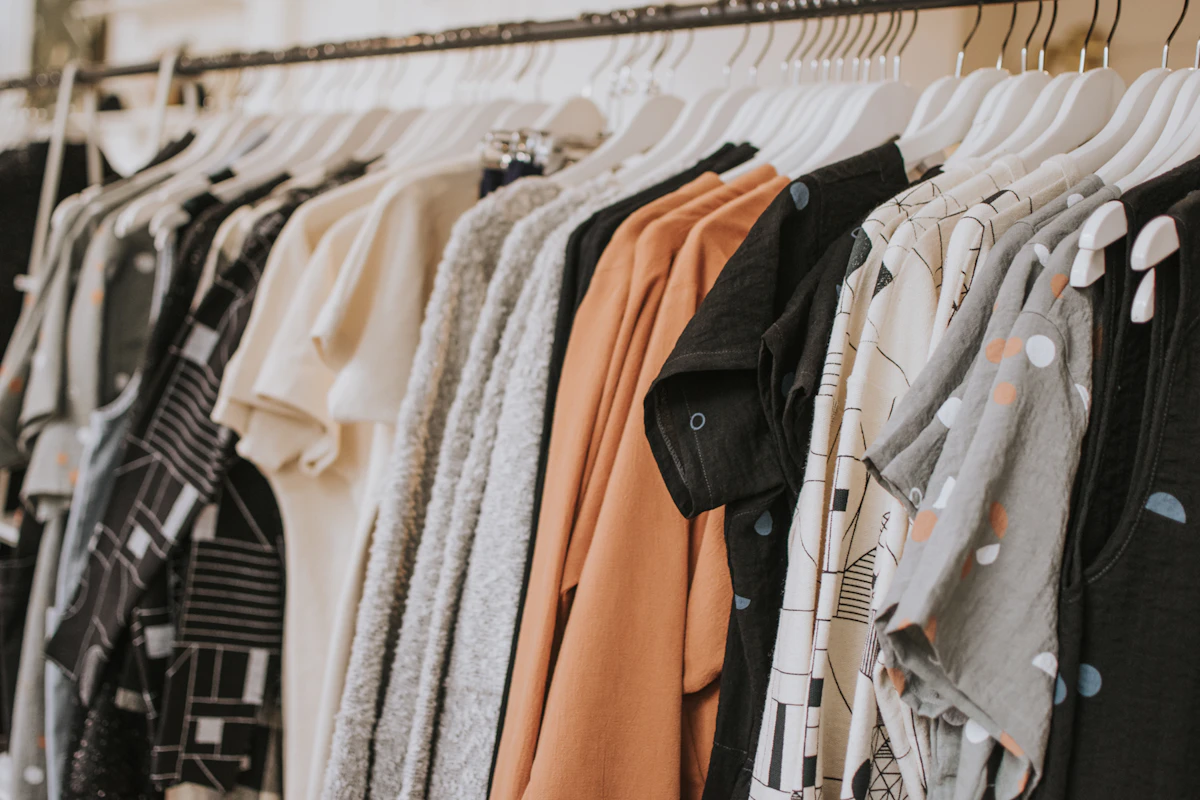
Mumbai's monsoon wardrobe gets a design upgrade
MUMBAI - The monsoon has always demanded a certain ingenuity from Indian wardrobes, but the 2026 pret season suggests that designers are no longer treating rainwear as a separate category. Instead, they are folding climate responsiveness into the language of everyday luxury: cotton-linen blends that dry quickly after an abrupt shower, organic weaves treated with water-repellent finishes, and co-ord sets engineered for movement in humidity-heavy city life.
At the city's resort and pret showings this week, the mood was restrained, intelligent and distinctly urban. Silhouettes were relaxed but not slack; hems were considered, sleeves were functional, and fabrics were chosen for breathability as much as drape. In a season when Mumbai's weather can swing from oppressive heat to torrential rain in a matter of hours, designers are proposing clothing that performs without advertising its technicality too loudly.
"The monsoon client wants ease, but she does not want to look as though she has compromised," said designer Rhea Malhotra after her presentation in south Mumbai. "The challenge is to make weather-smart clothing feel refined enough for lunch, work and evening alike."
The rise of engineered organic weaves
The most notable development in Monsoon Pret 2026 is the move toward organic textiles that have been modified for weather resilience. Several labels are working with handwoven cottons, khadi derivatives and linen-cotton blends that retain a tactile, artisanal quality while incorporating modern finishes to resist light rain and reduce absorption. The effect is subtle: garments do not read as synthetic or overtly sporty, but they behave with a practical intelligence that has become increasingly desirable in metropolitan India.
At one presentation, a series of shirt dresses in undyed organic cotton had been treated to bead water on contact, while retaining the matte surface and softness associated with natural fibres. Another label showed panelled tunics in a loosely woven linen that had been compacted at the seams to preserve structure through wear. The technology is never the headline; rather, it is embedded in the cloth's performance, allowing the garment to remain visually calm.
This approach reflects a broader shift in the Indian market. Consumers, especially in Mumbai, are becoming more fluent in fabric discourse and more selective about seasonality. The monsoon is no longer an excuse for disposable raincoats or plastic-heavy solutions. It is a prompt for investment dressing that can move from auto-rickshaw to office foyer to dinner table without a costume change.
Linen co-ords as the season's most commercial silhouette
If engineered weaves represent the season's innovation, breathable linen co-ord sets are its commercial anchor. Across collections, the co-ord emerged as the most persuasive response to humid weather: a matching shirt and trouser, tunic and culotte, overshirt and skirt, or sleeveless jacket layered over wide-leg pants. The appeal lies in its versatility. Worn together, the pieces feel polished; separated, they become the backbone of a monsoon wardrobe.
Designers are favouring softened tailoring over strict structure. Jackets are unlined or half-lined, trousers sit high but loose through the leg, and waistbands are often elasticated at the back for ease in transit. Shirt collars are elongated to create verticality, helping the body appear composed even when the fabric itself is relaxed. The palette remains grounded: shell, wet sand, stone, eucalyptus, indigo washed to a clouded blue, and the occasional monsoon green used sparingly as an accent.
In several collections, the co-ord has also become a site for quiet craftsmanship. Hand-finished topstitching, contrast button loops, and narrow insets of jamdani or chikankari lend distinction without adding weight. The smartest versions understand that monsoon dressing is not about volume alone, but about airflow, balance and the ability to recover shape after a day of movement.
Silhouette architecture: ease without sloppiness
The season's silhouette architecture reveals how seriously designers are thinking about the body in humid weather. Hemlines are calibrated to avoid dragging on wet pavements. Sleeves are cut to allow ventilation at the underarm and forearm. Side slits, box pleats and inverted folds are being used to create lift around the torso. Even the most relaxed pieces carry a sense of engineering.
There is also a notable restraint in proportion. Rather than the exaggerated, oversized shapes that dominated some post-pandemic dressing, Monsoon Pret 2026 leans toward moderated ease. The clothes skim rather than swallow, and that refinement appears to have commercial logic. Retail buyers say customers are seeking garments that photograph well, travel well and survive unpredictable weather without losing polish.
"This is the season where utility becomes aspirational," noted a Mumbai-based luxury buyer. "People are not asking for more decoration. They are asking for better construction, better fabric behaviour and cleaner silhouettes."
Market signals and the new luxury of climate literacy
Mumbai's monsoon has always shaped dressing habits, but the 2026 pret market suggests a deeper cultural change. Climate literacy is becoming part of style literacy. Shoppers are asking what a fabric does in humidity, whether a weave will cling after a downpour, and how a garment will age after repeated exposure to dampness and sun.
For brands, this is an opportunity to build authority through material knowledge rather than ornament. It also widens the definition of luxury in an Indian context. A water-repellent organic weave, if beautifully finished, now carries the same prestige as a more conspicuous embellishment. A linen co-ord that stays crisp through a day of monsoon commuting can feel more indulgent than a heavily worked ensemble worn only once.
The season's strongest message is that practical dressing need not be visually impoverished. In Mumbai, where weather remains a daily negotiator, the smartest designers are treating the monsoon not as an obstacle but as a design brief. Their answer is clothing that breathes, resists, and adapts - a wardrobe for a city that rarely dresses for certainty.