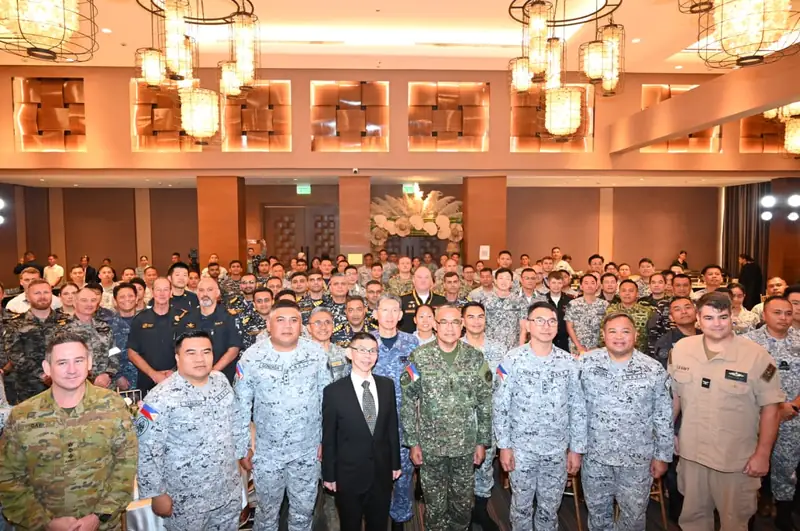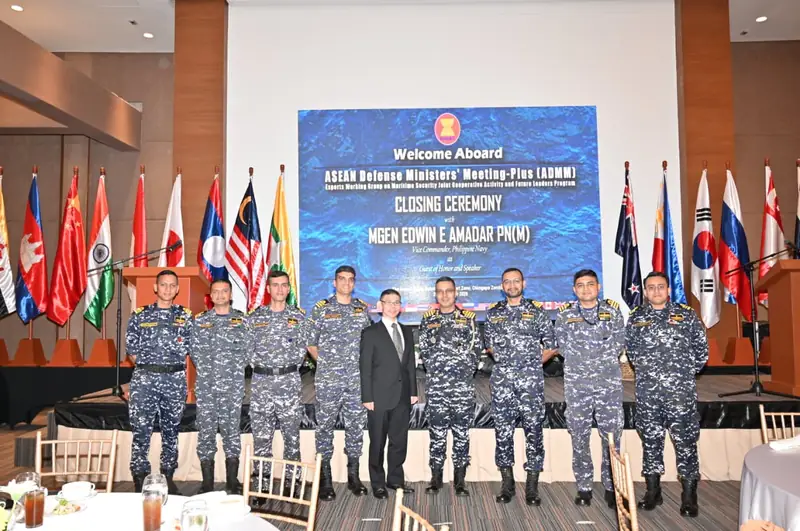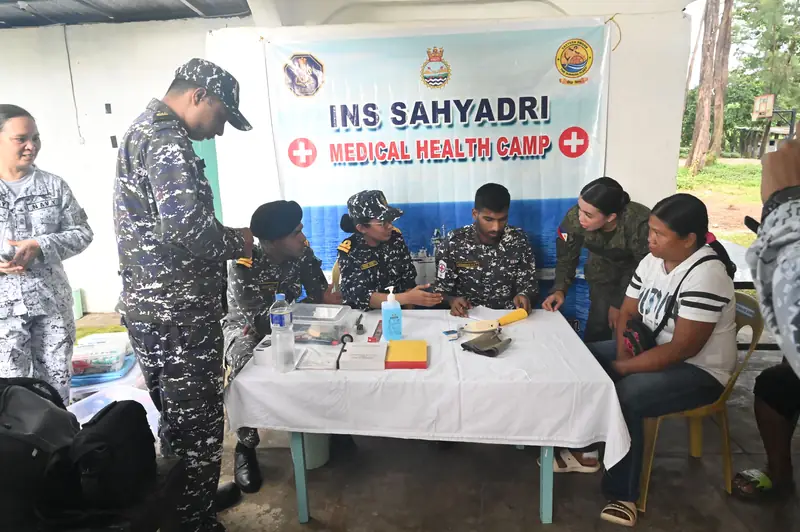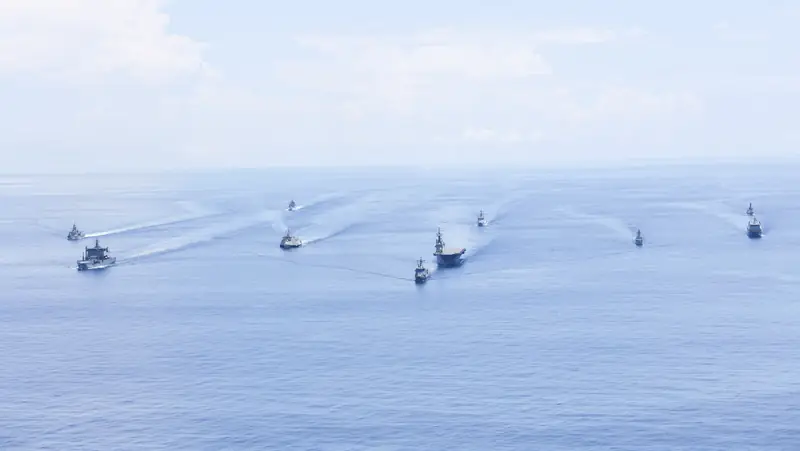
The Indian Navy's warships, INS Sahyadri and INS Kulish, have successfully completed their participation in the ADMM-Plus maritime security cooperation activity, marking a significant step in India's maritime diplomacy and its active role in the regional security framework. This exercise took place at a time when strategic competition over maritime route security, crisis management, and multilateral coordination in the Indo-Pacific remains intense.
Significance of Maritime Coordination
The ADMM-Plus, or ASEAN Defence Ministers' Meeting-Plus, serves as a crucial platform for Asia-Pacific security architecture, where partner nations collaborate on issues such as maritime security, humanitarian assistance, disaster relief, counter-terrorism cooperation, and confidence-building measures. The participation of these two Indian Navy vessels is not merely a formal presence; it is viewed as part of India's strategy to establish itself as a reliable, capable, and partnership-oriented power for regional maritime stability.
INS Sahyadri, representing indigenous construction and advanced combat capabilities, and INS Kulish, a platform useful for coastal and surface operations, both reflect the operational diversity of the Indian Navy. The deployment of ships in such exercises is not just a show of force; it also tests communication, coordination, maritime surveillance, joint exercises, and the integration of standard operating procedures.
Strategic Implications for India
This participation holds significance for India on multiple levels. Firstly, it strengthens India's ongoing presence in ASEAN-centered security dialogues. Secondly, it enhances practical cooperation with countries facing challenges such as piracy, illegal fishing, smuggling, maritime disasters, and risks to communication routes. Thirdly, it aligns with India's broader maritime policy, which seeks to extend the concept of 'Security and Growth for All' across the Indian Ocean and beyond.
Analysts emphasize that participation in such forums is vital as it provides naval forces with the opportunity to operate in a real multilateral environment. Coordinating among different communication systems, operational doctrines, and command structures is essential for any modern navy. For India, this capability is particularly crucial as it aims not only to protect its maritime interests but also to develop joint response capabilities with allied nations.
Role in the Indo-Pacific
Maritime security in the Indo-Pacific has evolved beyond mere naval patrols. It now encompasses the seamlessness of supply chains, the security of energy routes, the resilience of ports, and rapid humanitarian responses during crises. Activities like ADMM-Plus bring all these dimensions to a shared platform. India's participation signals that it views regional security not as a zero-sum competition but as a shared responsibility.
For New Delhi, this is also diplomatically advantageous, as it provides an opportunity to deepen reliable defense partnerships with ASEAN countries. Furthermore, it sends a message that the Indian Navy is committed to fostering a stable maritime environment in the region.