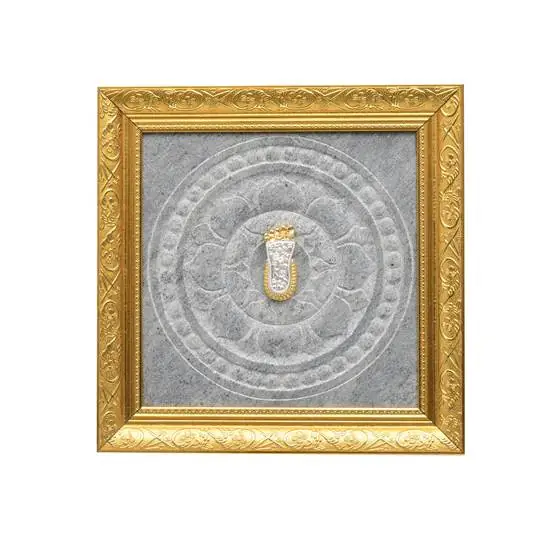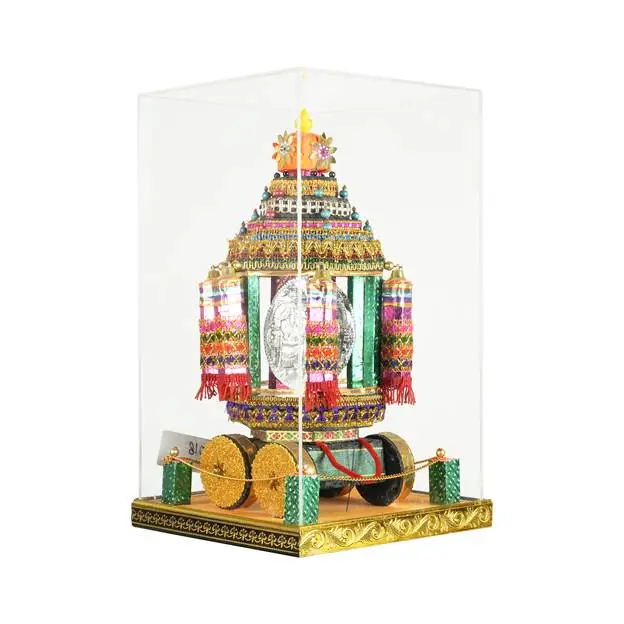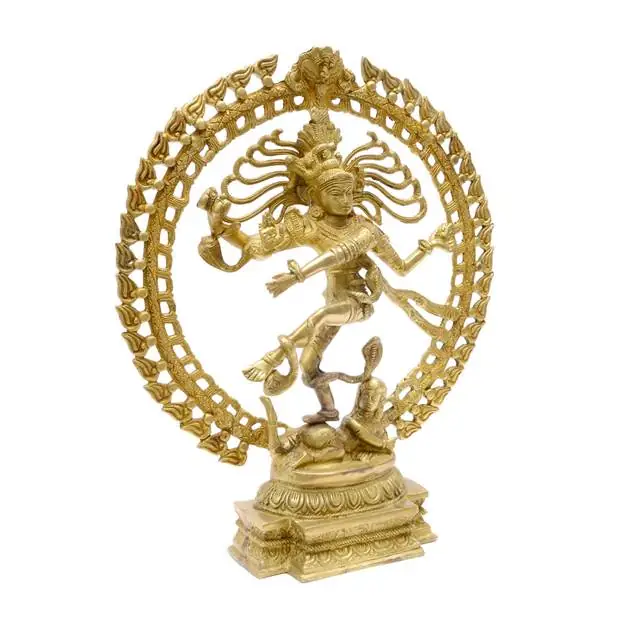
The PM Memorabilia e-auction 2026 has brought Tamil Nadu's cultural legacy and sporting accomplishments into sharper national focus, adding a distinctly regional layer to an initiative that has increasingly become a showcase of India's public memory. By including artefacts and references tied to the state's heritage and athletic milestones, the auction is not merely cataloguing objects; it is curating a story about how the Union government wants to present India's diversity through symbols of achievement, identity and public service.
Heritage In National Frame
The inclusion of Tamil Nadu-linked memorabilia is significant because it reflects a deliberate effort to widen the cultural geography of the auction. Tamil Nadu has long occupied a central place in India's civilisational and political imagination, with its temple architecture, classical arts, literature and public institutions shaping the state's identity far beyond its borders. By placing such references within a national e-auction platform, the government is effectively elevating regional heritage into a pan-Indian narrative of pride and continuity.
This approach also aligns with the broader policy trend of using cultural assets as instruments of public engagement. In recent years, memorabilia auctions associated with the Prime Minister's Office have moved beyond being a simple disposal mechanism for gifts and mementos. They have become a curated public event, blending heritage, philanthropy and digital participation. The 2026 edition appears to continue that trajectory, with Tamil Nadu's cultural markers adding depth to the collection and broadening its appeal across states and constituencies.
Sport As Soft Power
The sporting dimension is equally telling. Tamil Nadu has produced a steady stream of athletes, administrators and sporting institutions that have contributed to India's competitive profile in disciplines ranging from athletics to chess, hockey and cricket. Including sporting achievements in the auction signals an effort to recognise not only ceremonial or artistic heritage but also the modern, performance-driven identities that states build through sport.
In policy terms, this matters because sport has become a key arena for soft power and state branding. Recognition in a national memorabilia platform can amplify the visibility of athletes and sporting milestones, especially when the objects or references are tied to moments of public significance. It also reinforces the government's preference for linking individual excellence to collective national pride, a theme that has become increasingly prominent in official communication.
The auction format itself is part of the message. By moving memorabilia into a digital bidding environment, the government is making symbolic ownership more accessible while also expanding the audience beyond elite collectors and institutional buyers. That matters in a country where public memory is often mediated through museums, archives and state ceremonies. The e-auction model turns that memory into a participatory event, allowing citizens to engage with the material culture of governance in a more direct way.
Policy And Symbolism
The broader significance of the 2026 auction lies in how it blends governance with cultural diplomacy. Memorabilia auctions are not policy instruments in the conventional sense, but they are increasingly used to communicate administrative values: transparency, public access, heritage preservation and national unity. The inclusion of Tamil Nadu's cultural and sporting references suggests that the government is conscious of the need to reflect India's federal diversity within a centrally curated platform.
That balance is politically important. In a federal system, symbolic inclusion can matter almost as much as fiscal or administrative outreach. When regional heritage is acknowledged in a national forum, it can help reinforce the idea that local identity and national identity are not competing claims but overlapping ones. For Tamil Nadu, a state with a strong cultural self-awareness and a distinctive political tradition, such recognition carries added resonance.
At the same time, the auction underscores the growing sophistication of state-led heritage presentation. The government is not simply preserving objects; it is packaging them within a narrative of modern India that combines tradition, achievement and digital access. The result is a form of public storytelling that is as much about governance as it is about culture.
As the 2026 e-auction approaches, the inclusion of Tamil Nadu's cultural and sporting milestones is likely to draw attention from heritage enthusiasts, collectors and policy observers alike. More broadly, it reflects a continuing effort by the Centre to use symbolic assets to deepen public connection with the institutions of government, while ensuring that regional contributions are visible within the national frame.