
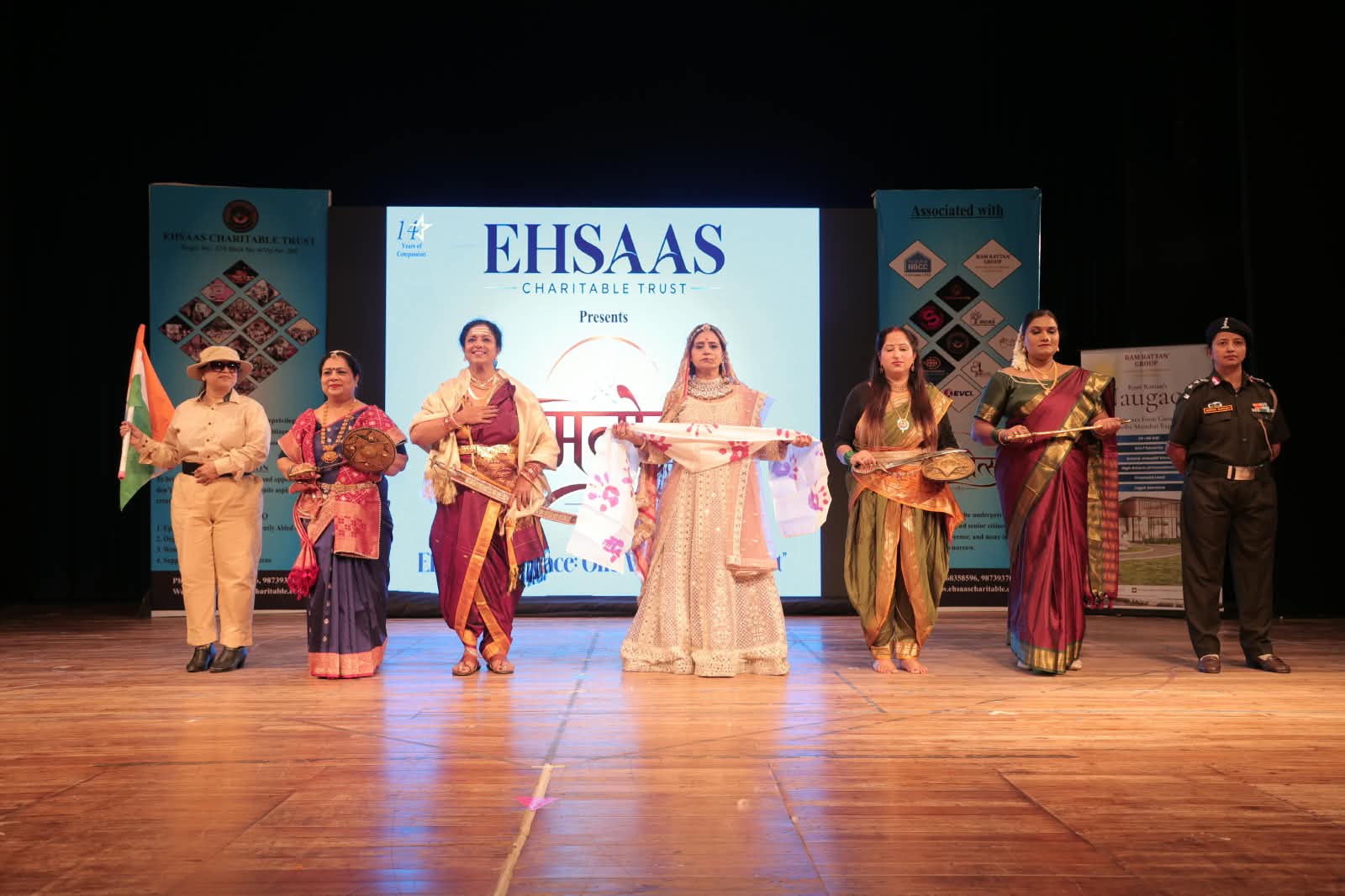
NEW DELHI (RDU Global) — In an evocative confluence of historical retrospection and contemporary cultural expression, the ‘Shakti Walk’ was staged at the Arya Auditorium in East of Kailash, New Delhi, serving as the cultural centerpiece of Aman Utsav 2026.
Conceptualized and led by Ehsaas Charitable Trust President Smt. Aarti Mehta, the choreographed pageant was designed as an artistic homage to the enduring valor of Indian women who shaped the nation’s independence struggle, as well as the modern educators, scientists, and social reformists continuing the work of nation-building.
Living Heritage and the Power of Nari Shakti
Dressed in symbolic handwoven textiles representing India’s diverse geographic regions, the ‘Shakti Walk’ featured a distinguished cohort of women professionals and social leaders, including Dr. Rachna Grover, Savita Inamdar, Deepa Garg, Maya Verma, Manisha Handala, Deepika, and Parul Srivastava.
Each segment of the presentation was scored to historical poetry and narrative excerpts detailing the sacrifices of iconic freedom figures—from Rani Lakshmibai of Jhansi and Kittur Chennamma to Matangini Hazra, Aruna Asaf Ali, and Captain Lakshmi Sahgal.
In her address following the presentation, Aarti Mehta underlined that celebrating historical heroines must directly inform contemporary policies protecting women’s safety, financial autonomy, and equal political representation:
*"The women who walked the streets in the face of colonial batons did not fight merely for the transfer of administrative power; they fought for a republic founded on absolute equality. The 'Shakti Walk' is a living pledge that modern Indian women will continue to occupy public spaces with courage and dignity."*
Patriotic Resonances: Satyameva Jayate and Classical Ensembles
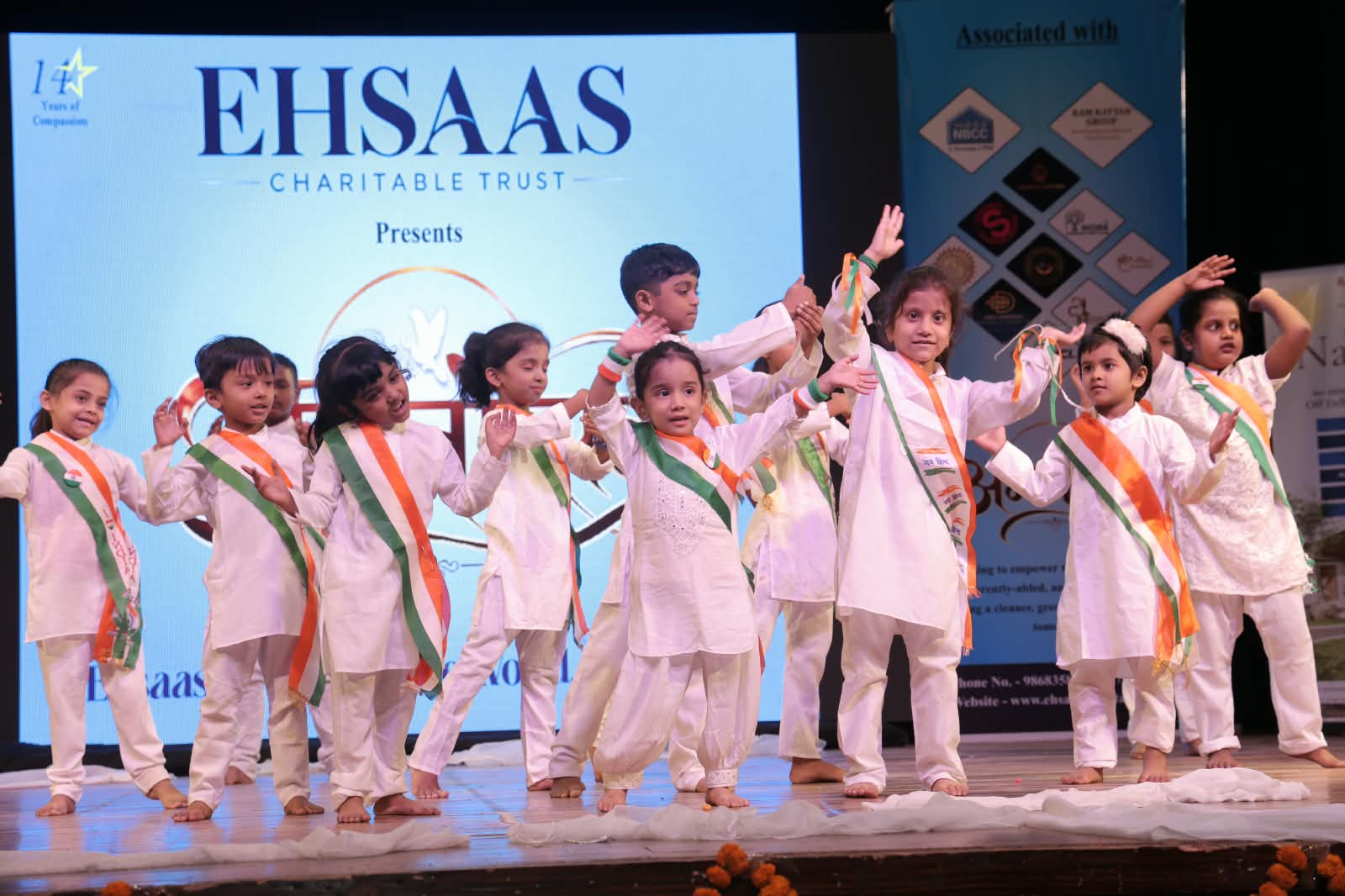
The thematic resonance of the evening was further amplified by dramatic performances staged by younger wards of the Ehsaas Charitable Trust.
A vibrant patriotic dance drama set to the anthem ‘Satyameva Jayate’ captivated the capacity auditorium, showcasing the interpretive skill of children who have received subsidized performing arts training through the trust’s community centers.
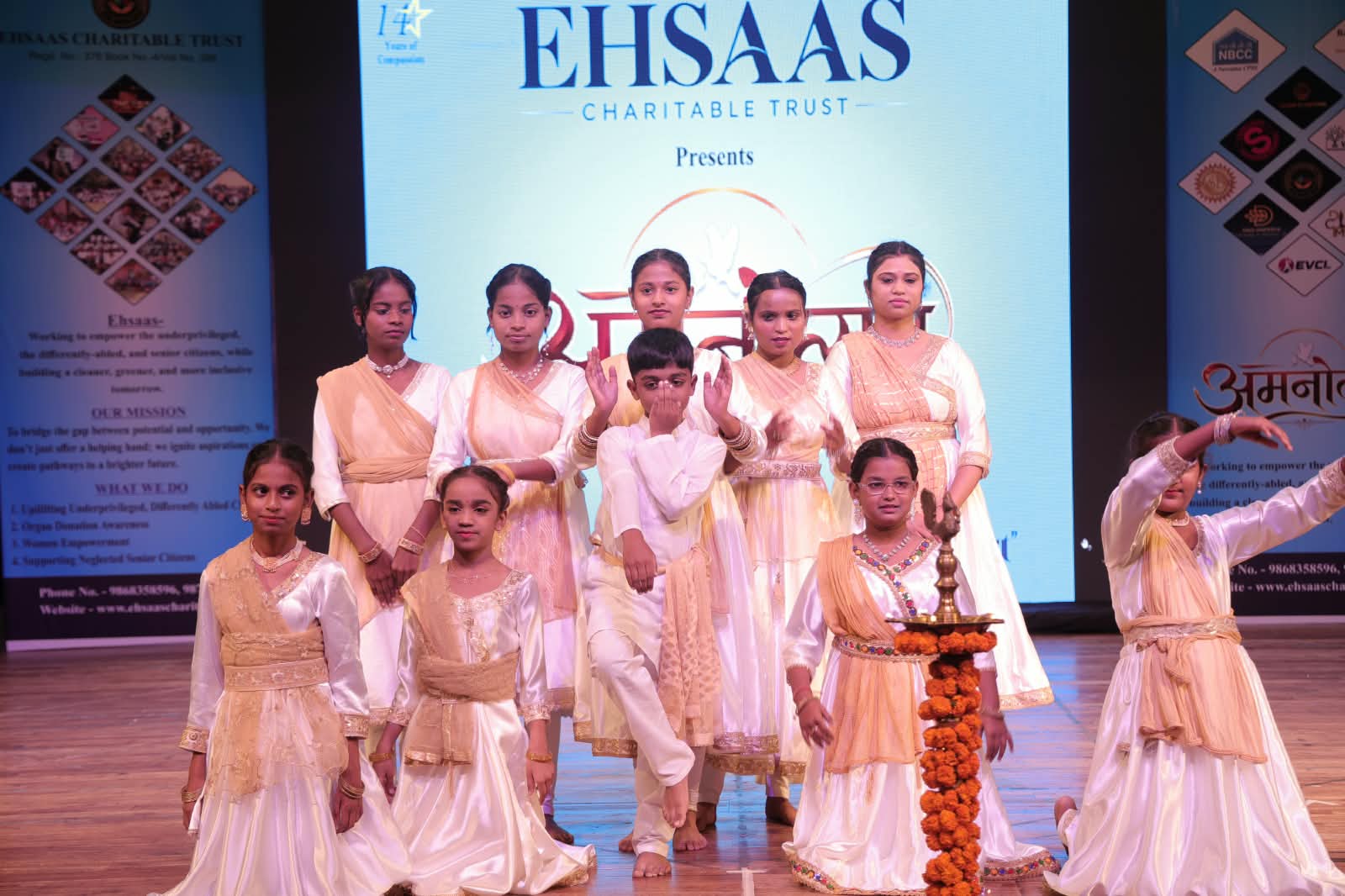
This was followed by an intricate classical-contemporary fusion choreography presented by Insha and Troupe, whose rhythmic synchronization brought classical mudras into dialogue with contemporary social themes of harmony and environmental protection.
Adding historical and philosophical gravitas to the evening, theatrical artist Kushal Sabharwal took the stage for a solo dramatic enactment of ancient Indian philosopher and statesman Vishnugupta Chanakya. Sabharwal’s commanding delivery of classical Sanskrit maxims on statecraft, civic vigilance, and moral duty drew loud applause from scholars and diplomats present in the hall.
Creative Directorship and Choreography
The artistic flow of the multifaceted cultural showcase was conceived and choreographed by Vanya Kanchan Singh, whose stage curation harmonized diverse musical traditions, historical themes, and accessibility-first stage logistics.
By pairing the solemn remembrance of India’s freedom movement with inclusive showcases like the Special Olympics sports honours and the Kiddika Couture inclusive youth runway, the organizers of Aman Utsav 2026 succeeded in demonstrating that Indian cultural heritage is at its most vibrant when it is unconditionally accessible to all citizens.