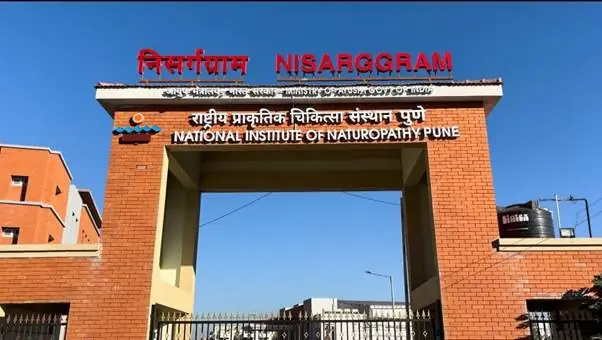
The National Institute of Naturopathy in Pune has opened the application process for admission to its Bachelor of Naturopathy and Yogic Sciences, or BNYS, undergraduate programme for the 2026-27 academic year, underscoring the growing formalisation of India's traditional wellness and preventive medicine education sector.
The announcement is significant not merely as a routine admissions notice, but as part of a broader policy and institutional trend in which government-backed health education bodies are expanding the visibility of naturopathy and yoga-based medical training. In a country where public health debates increasingly emphasise prevention, lifestyle management and low-cost interventions, BNYS continues to occupy a distinct space between conventional medical education and India's traditional systems of care.
Admissions Window Opens
The institute's call for applications is expected to attract students interested in a structured undergraduate pathway in naturopathy and yogic sciences. BNYS programmes are designed to train graduates in natural healing methods, diet therapy, yoga, lifestyle modification and non-invasive approaches to health management. For many applicants, the appeal lies in the combination of academic study, clinical exposure and the possibility of working in a field that has gained policy attention over the past decade.
While the institute has not framed the announcement as a policy shift, the timing matters. Admissions to specialised health programmes often reflect wider government priorities, particularly in sectors linked to the Ministry of Ayush and the country's push to mainstream traditional medicine within regulated educational frameworks. Pune-based institutions have long played an important role in this ecosystem, and the National Institute of Naturopathy remains one of the most visible public institutions in the field.
The BNYS course is also relevant in the context of India's changing healthcare demand. Urban and semi-urban populations are increasingly seeking preventive care, rehabilitation support and wellness-oriented treatment options. That has created a larger market for trained practitioners, but also a stronger need for standardised education, credible accreditation and clear professional pathways. An admissions cycle such as this one therefore has implications beyond the classroom: it feeds the supply of future practitioners into a sector that is still evolving in terms of regulation, public trust and career structure.
Policy And Workforce Signal
From a governance perspective, the opening of applications reflects the state's continued investment in alternative and integrative health education. India has spent years trying to strengthen the institutional legitimacy of naturopathy, yoga, Ayurveda and related disciplines through dedicated universities, research bodies and training centres. The BNYS degree sits within that architecture as a professional qualification intended to produce graduates capable of entering clinical practice, teaching, research or wellness services.
That makes the admissions notice important for workforce planning as well. As the health sector broadens, policymakers have increasingly recognised that the country needs not only doctors and nurses trained in allopathic medicine, but also qualified professionals in allied and traditional systems. The challenge is to ensure that such courses maintain academic rigour and that graduates are trained to work within evidence-based and ethically sound frameworks.
For students, the programme offers a route into a niche but expanding field. For the institution, it reinforces its role as a national centre for naturopathy education. And for the government, it serves as another marker of the continuing effort to institutionalise India's traditional health knowledge within formal higher education.
Growing Demand For Integrative Care
The BNYS admissions announcement arrives at a time when public interest in yoga, naturopathy and preventive health remains elevated. The pandemic years accelerated awareness of immunity, lifestyle disease management and non-pharmaceutical approaches to wellbeing, even as mainstream medicine retained its central role in acute and emergency care. That shift has helped traditional wellness systems gain new visibility among younger students and families considering career options in health sciences.
At the same time, the sector faces a familiar test: expansion must be matched by quality control. The credibility of BNYS and similar programmes depends on transparent admissions, robust curricula, qualified faculty and meaningful clinical training. If those conditions are met, the course can contribute to a more diversified healthcare workforce. If not, the field risks being seen as aspirational but uneven in standard.
For now, the Pune institute's invitation to apply for the 2026-27 BNYS intake is a clear signal that the pipeline remains open and that the government-backed naturopathy education system continues to recruit new entrants. In a policy environment that increasingly values prevention, wellness and integrative care, that is a development with significance well beyond a single admissions cycle.