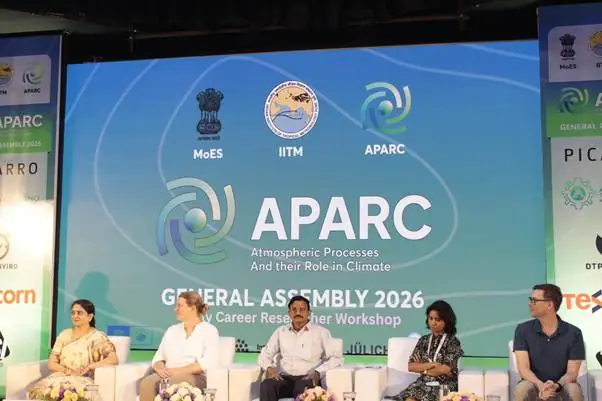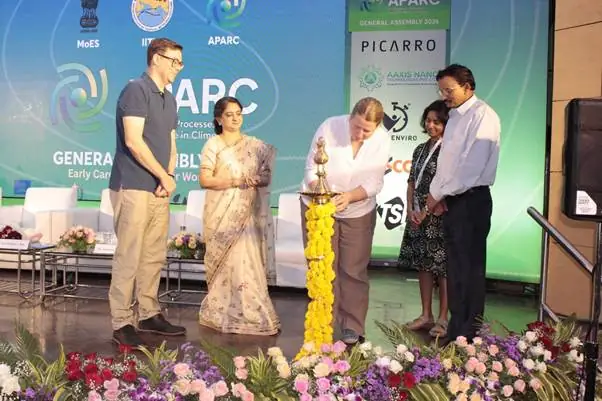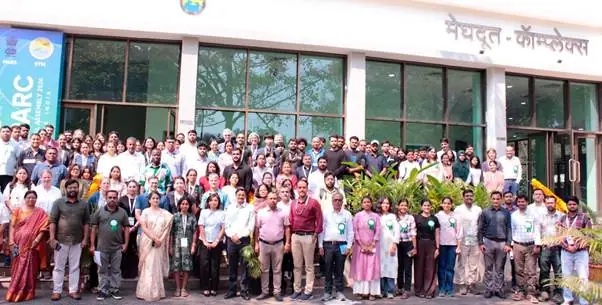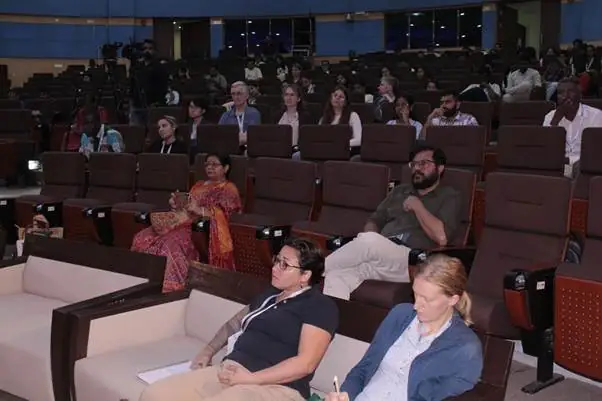
The Indian Institute of Technology Management, Pune, has organised an APARC Early Career Workshop together with a curtain-raiser programme for ESTIC, in a move that highlights the expanding role of higher-education institutions in India's policy and innovation ecosystem. While the event itself is academic in form, its timing and framing reflect a larger national conversation: how India can better connect emerging researchers with the institutions, methods, and policy questions that shape governance.
The workshop is notable not simply as a campus event, but as part of a wider effort to build a pipeline of early-career scholars capable of engaging with complex public policy challenges. In recent years, Indian research institutions have increasingly been asked to do more than generate knowledge. They are now expected to help translate evidence into actionable policy, support public-sector problem solving, and prepare young researchers for work that extends beyond conventional disciplinary boundaries.
Research To Policy
The APARC Early Career Workshop appears designed to serve that purpose. By focusing on early-career participants, the programme places emphasis on capacity building at the stage when researchers are most likely to shape their long-term professional trajectories. Such workshops often function as a bridge between theory and practice, exposing participants to policy analysis, institutional expectations, and the standards required for work that can influence government decision-making.
In the context of national governance, this is significant. India's policy environment increasingly demands evidence-based interventions across sectors ranging from education and health to digital governance, labour markets, and climate resilience. Yet the supply of researchers who can move comfortably between academic inquiry and policy application remains uneven. Initiatives like this workshop are therefore part of a broader institutional response to a structural gap in the country's knowledge economy.
The curtain-raiser for ESTIC adds another layer to that agenda. Although such launch events are often ceremonial, they are also strategic signals. They indicate that the institution is preparing to place a new or expanded platform before stakeholders, likely aimed at fostering dialogue, collaboration, and visibility around research and innovation. In policy terms, curtain-raisers matter because they help create momentum, attract participation, and define the intellectual priorities of a programme before its formal rollout.
Early Talent, Bigger Stakes
The focus on early-career researchers is especially relevant at a time when India is seeking to deepen its scientific and policy capacity. Young scholars are often the most adaptable contributors to interdisciplinary work, but they also face barriers: limited mentorship, weak access to policy networks, and insufficient exposure to real-world governance challenges. Workshops that address these constraints can have an outsized effect if they are sustained and linked to longer-term institutional support.
For IITM Pune, the event also reinforces the role of specialised academic institutions in national development. Such institutions are increasingly expected to act as conveners, not just educators. By bringing together researchers, faculty, and policy-oriented programmes, they can help shape a more integrated ecosystem in which academic output is not isolated from public need.
That broader shift is visible across India's higher-education and research landscape. Government and institutional stakeholders have repeatedly stressed the importance of innovation, skilling, and research commercialisation, but the policy challenge extends beyond technology transfer. It includes building intellectual infrastructure: training researchers to ask the right questions, use rigorous methods, and communicate findings in ways that decision-makers can use.
The significance of the Pune event lies in that intersection. It suggests an effort to align academic development with national governance priorities, while also creating a forum for younger researchers to understand the expectations of a policy-facing career. In practical terms, that could mean exposure to collaborative research models, policy writing, stakeholder engagement, and the institutional realities of public-sector work.
Institutional Signal
The event also reflects a broader institutional message: that research capacity is not built only through grants or infrastructure, but through sustained engagement with people at the start of their careers. If India is to expand its evidence base for policymaking, it will need more programmes that identify, train, and retain researchers who can operate across disciplines and sectors.
For now, the APARC workshop and ESTIC curtain-raiser serve as a marker of intent. They place IITM Pune within a growing network of institutions seeking to make research more responsive to governance needs and more accessible to young professionals entering the field. In a policy environment increasingly shaped by complexity, such initiatives are likely to become more important, not less.
The challenge will be whether these programmes evolve beyond symbolic visibility into durable platforms for mentorship, collaboration, and policy engagement. If they do, they could help strengthen the next generation of Indian researchers at precisely the point where the country's governance ambitions are becoming more demanding.