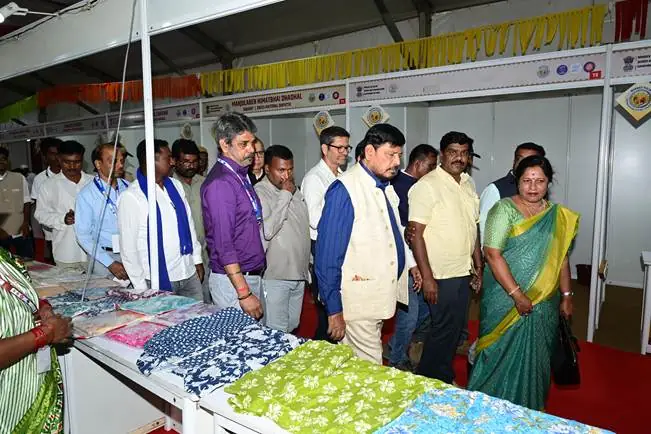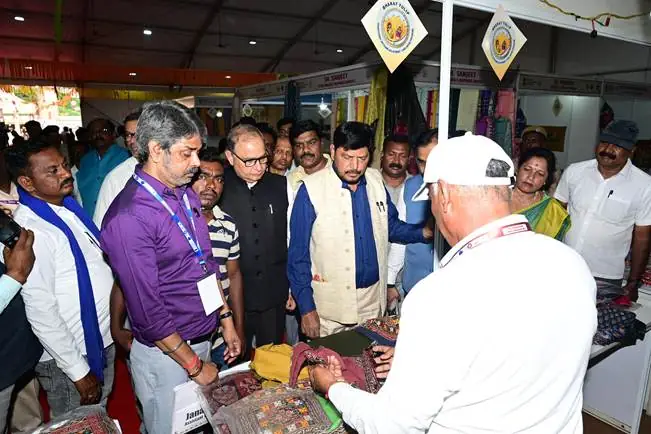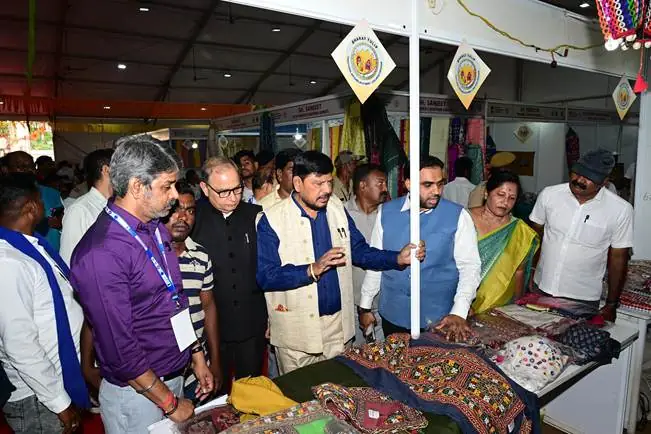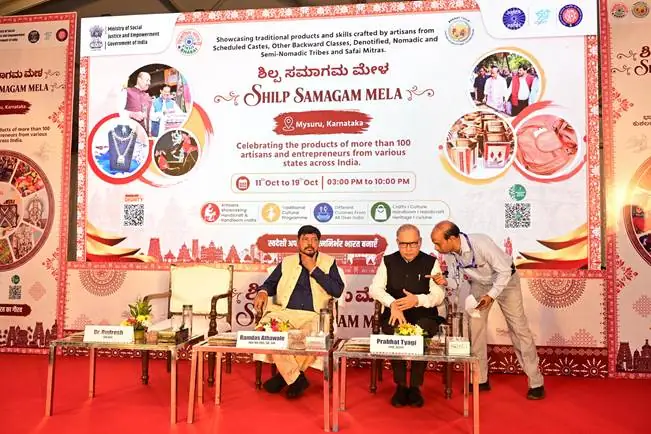
Mysuru is preparing to host Shilp Samagam Mela 2026, a development that places the historic city at the centre of a broader national conversation on crafts, livelihoods, and cultural policy. While the event is framed as a showcase for artisans and handmade products, its significance extends well beyond exhibition space. It reflects a policy approach in which traditional craft sectors are increasingly treated not merely as heritage assets, but as viable economic engines capable of supporting employment, tourism, and local enterprise.
The choice of Mysuru is notable. The city has long occupied a distinct place in India's cultural geography, with strong associations to heritage, design, and artisanal production. Hosting a national craft fair there gives the event a symbolic advantage: it situates contemporary policy goals within a setting already identified with tradition and craftsmanship. For the government, that alignment matters. It allows the state to present craft promotion not as a peripheral cultural activity, but as part of a larger development strategy.
Craft Economy Push
At the core of Shilp Samagam Mela 2026 is a familiar but increasingly urgent policy question: how can India convert its vast artisanal base into sustainable income for producers? Across the country, craft communities continue to face pressure from mass manufacturing, uneven market access, and changing consumer preferences. Many artisans remain dependent on seasonal demand, intermediaries, and fragmented supply chains. A national-level mela can help address some of these constraints by creating direct market linkages, improving visibility, and encouraging institutional support.
The event also fits into a wider governance trend in which cultural policy is being used to advance economic inclusion. In practical terms, that means giving artisans a platform where their products can be evaluated not only for aesthetic value, but for commercial potential. If executed effectively, such gatherings can help small producers connect with buyers, designers, cooperatives, and government procurement channels. They can also support the branding of Indian crafts in domestic and international markets, where provenance and authenticity increasingly matter.
For policymakers, the challenge is to ensure that the mela does more than generate publicity. Craft fairs often produce short-term attention, but their long-term value depends on whether they lead to repeat orders, training, credit access, and better logistics. Without those follow-through mechanisms, the event risks becoming a ceremonial showcase rather than a durable intervention.
Mysuru's Strategic Role
Mysuru's role as host city is more than ceremonial. It reinforces a decentralised model of cultural administration in which major events are not confined to Delhi or other national capitals. That matters in a country where regional economies often depend on tourism and heritage-linked commerce. A well-organised craft mela can generate spillover benefits for hotels, transport services, local vendors, and ancillary businesses, while also strengthening the city's profile as a destination for cultural events.
The location may also help broaden participation. For many artisans, especially those from smaller towns and rural districts, a venue like Mysuru offers a more accessible and culturally resonant setting than a purely metropolitan trade fair. That can improve turnout and diversify the range of products and communities represented. It also allows the event to project a more inclusive image of national development, one that recognises regional strengths rather than concentrating opportunity in a few large urban centres.
From a governance standpoint, the mela will likely be watched for how it balances cultural presentation with economic outcomes. The most effective craft policy is not limited to preserving tradition in static form; it helps artisans adapt to changing markets while retaining identity and skill. That requires coordination across departments, including culture, commerce, tourism, and microenterprise support.
Policy Beyond Exhibition
The broader significance of Shilp Samagam Mela 2026 lies in what it suggests about the state's evolving relationship with the handmade sector. India's craft economy is often celebrated in speeches and promotional campaigns, but the real test is whether policy can translate admiration into income stability. That means improving access to design inputs, digital marketing, transport, packaging, and finance. It also means recognising that artisans are not simply custodians of tradition; they are economic actors operating in competitive markets.
If the Mysuru mela succeeds, it could serve as a template for future craft-led interventions that combine cultural diplomacy with livelihood support. If it falls short, it will add to a long list of well-intentioned exhibitions that generated visibility without structural change. For now, the event stands as an important marker of how New Delhi is trying to position craft not at the margins of policy, but within the mainstream of national development planning.