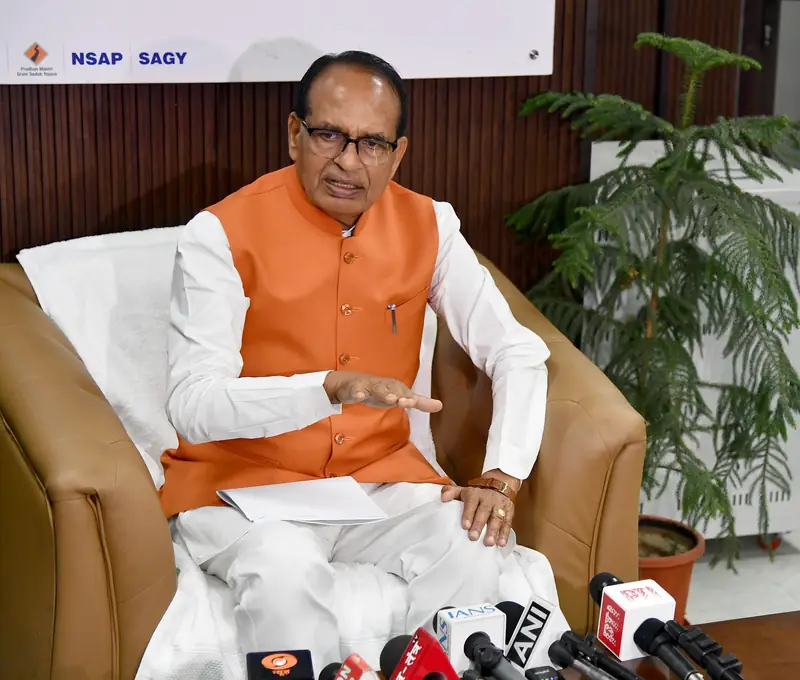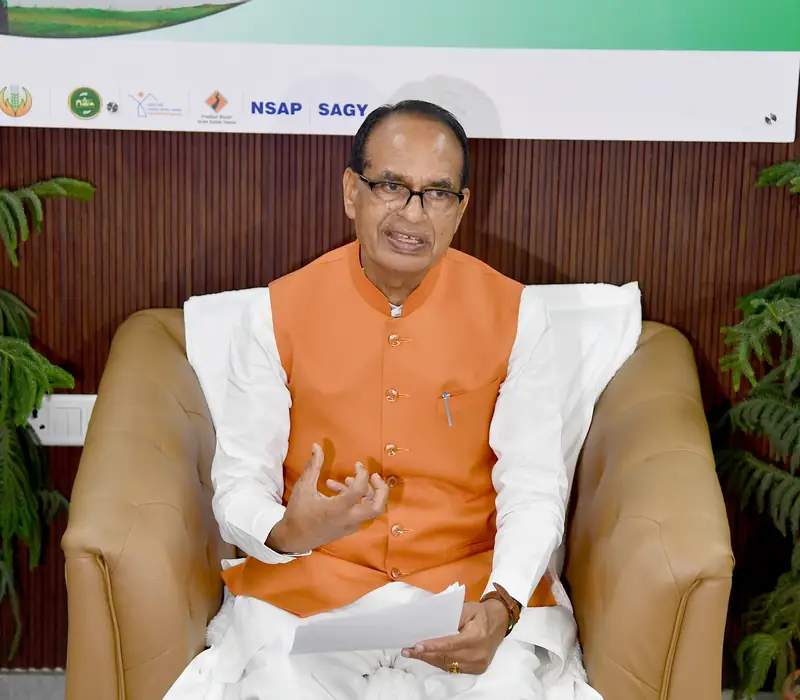
The Union government has announced a substantial hike in the minimum support prices, or MSP, for all six rabi crops for the 2027-28 marketing season, in what Agriculture Minister Shivraj Singh Chouhan described as a major gift to India's farmers. The decision, unveiled in New Delhi, is being positioned as a strong intervention in the agricultural price-support system at a time when farm incomes remain under pressure from volatile input costs, weather uncertainty, and uneven market returns.
The announcement carries significance well beyond the immediate pricing exercise. MSP is one of the central instruments through which the Indian state signals support to cultivators, particularly in crops that are strategically important for food security and rural livelihoods. By raising support prices across the full rabi basket, the government is seeking to reassure farmers that winter-sown production will remain economically viable even as inflation, fertilizer costs, diesel prices, and labor expenses continue to shape cultivation decisions.
Price Signal to Farmers
The rabi marketing season typically covers wheat, barley, gram, lentil, mustard, and safflower. These crops form the backbone of India's winter agricultural cycle, with wheat and mustard especially critical to both the food system and the rural economy. A uniform decision to increase MSP across all six crops suggests that policymakers are trying to avoid distortions that could arise if only select crops were favored. It also reflects an effort to encourage crop diversification, rather than allowing farmers to crowd into a narrow set of staples.
For wheat growers, the MSP increase is likely to be watched most closely, given the crop's central role in public procurement and the food subsidy architecture. For oilseed and pulse farmers, the move may be equally important because these sectors have long been identified as vulnerable to import dependence and price instability. Higher support prices can help narrow the gap between domestic production incentives and market uncertainty, especially in regions where procurement networks are weaker than in the wheat belt.
Policy And Procurement Stakes
The government's decision also has a fiscal and administrative dimension. MSP announcements are only as effective as the procurement machinery that follows them. If state agencies and public procurement systems are able to buy at the revised rates, the policy can translate into tangible income support. If not, the increase risks becoming largely symbolic for many farmers who sell into open markets. That tension has long defined India's MSP regime and will likely shape the political and economic assessment of this latest move.
The timing of the announcement is notable as well. In the broader policy environment, farm support remains a sensitive issue, with the government under pressure to demonstrate that it can balance farmer welfare with inflation control and budget discipline. Raising MSPs can improve sentiment in rural India, but it also carries implications for procurement costs, food subsidy outlays, and market prices. The state must therefore manage a delicate trade-off between rewarding producers and preventing excessive upward pressure on consumer inflation.
Shivraj Singh Chouhan's framing of the decision as a historic increase underscores the political importance of agriculture in national governance. The language is designed to project responsiveness and scale, while also reinforcing the government's claim that it is prioritizing the interests of cultivators. In practical terms, the announcement is likely to be read as part of a broader strategy to stabilize farm incomes and maintain the political centrality of the rural voter.
Wider Economic Impact
The effects of the MSP hike will extend beyond the farm gate. Traders, millers, food processors, and state procurement agencies will all have to adjust to the revised price structure. In the case of wheat and pulses, procurement expectations may rise if farmers perceive the new rates as sufficiently attractive. For oilseeds, the policy could encourage acreage shifts in some regions if growers believe the government is serious about supporting domestic production.
At the same time, analysts will be watching whether the increase is large enough to meaningfully alter farmer behavior or merely keeps pace with rising costs. The real test of the announcement will come in the coming procurement season, when actual buying volumes, market arrivals, and farmer realizations reveal whether the policy has delivered more than a headline gain.
For now, the government has sent a clear signal: it intends to keep MSP at the center of its agricultural policy toolkit. By extending support across all six rabi crops, it is betting that price assurance remains one of the most politically and economically effective ways to sustain India's farm sector.