Maritime Power Demonstrated
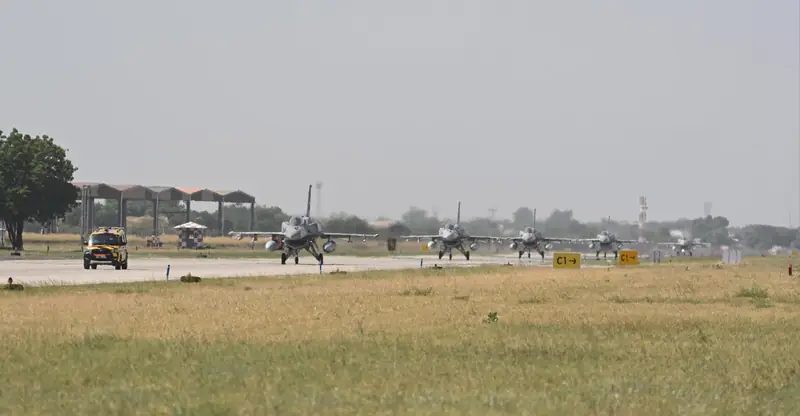
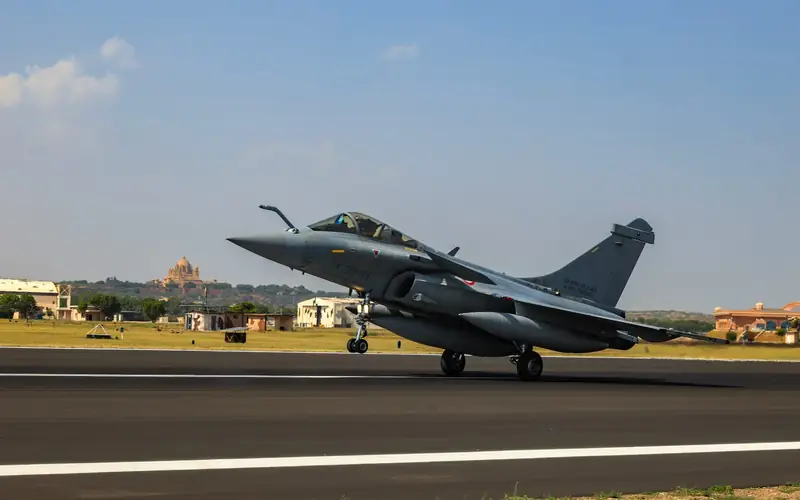
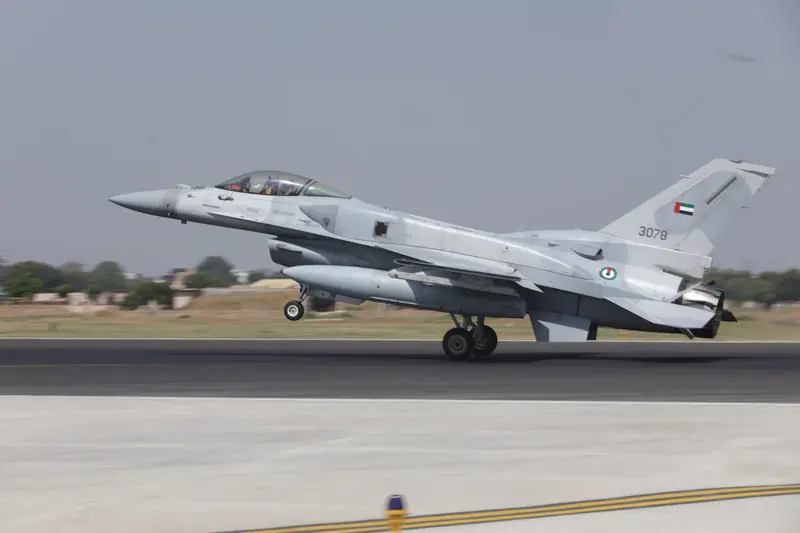
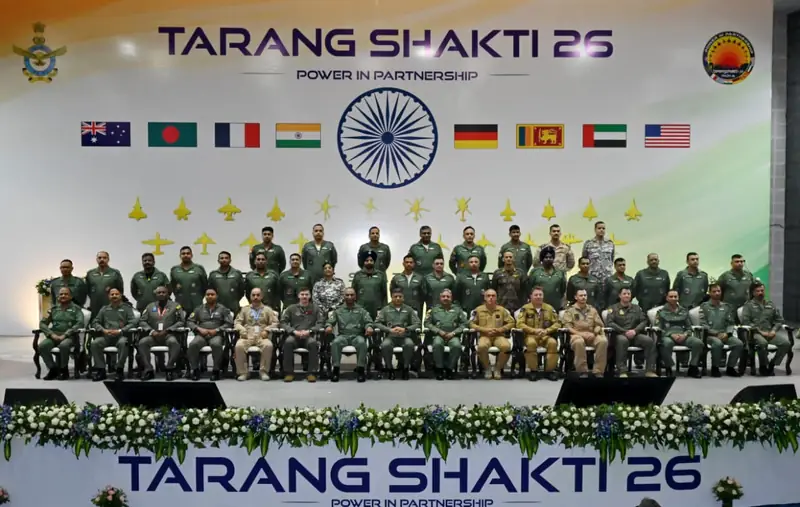
Launched at 03:33 AM IST, Exercise Tarang Shakti-2026 sends a clear message regarding India's national security and policy direction: the maritime domain is no longer solely about naval capabilities but has evolved into a focal point for diplomacy, technology, supply chain security, and regional trust. The theme of 'Power in Partnership' reflects India's broader strategy of integrating military readiness with multilateral cooperation.
This exercise emerges at a time when competition over maritime route security, monitoring of illicit activities, and crisis response capabilities is intensifying in the Indian Ocean and the wider Indo-Pacific region. For India, this is not merely a military event but a policy statement: it aims to be an active creator of maritime stability rather than just a consumer.
While such exercises are often viewed within government and defense establishments as tests of operational readiness, the political significance of Tarang Shakti-2026 extends beyond that. It underscores India's vision of collaboration with partner nations, standardized processes, and joint exercises as foundational elements of future security architecture.
New Language of Partnership
'Power in Partnership' is not just a slogan but a reflection of India's diplomatic language in a changing security environment. In recent years, India has expanded maritime cooperation beyond traditional defense ties to include humanitarian assistance, disaster relief, maritime domain awareness, and joint coordination. Such exercises institutionalize this trend.
At the policy level, this holds dual significance. First, it makes India more comfortable with countries that prioritize a rules-based maritime order, open sea lanes, and transparent coordination during crises. Second, it conveys domestically that defense modernization is no longer just about platform acquisitions but also about networks, training, and interoperability.
Analysts note that the expansion of participation in such exercises illustrates the practical side of India's foreign policy. New Delhi is now presenting security not as a zero-sum competition but as a management of shared interests. This is why maritime exercises have become strategic indicators—they reveal which partnerships India prioritizes and what kind of regional order it seeks to promote.
Policy and Capability
The true test of Exercise Tarang Shakti-2026 will not lie in its visual display but in its long-term impact. If this exercise strengthens capabilities in communication, coordination, search and rescue, maritime surveillance, and joint response, its effects will extend beyond naval operations. It could positively influence disaster management, maritime trade security, and the protection of coastal infrastructure.
This is a particularly sensitive time for India. Disruptions in global supply chains, uncertainties over energy routes, and regional tensions have linked maritime security to national economic security. Therefore, the evaluation of any major exercise will hinge not just on its military grandeur but on how effectively it can respond to real crises with speed and precision.