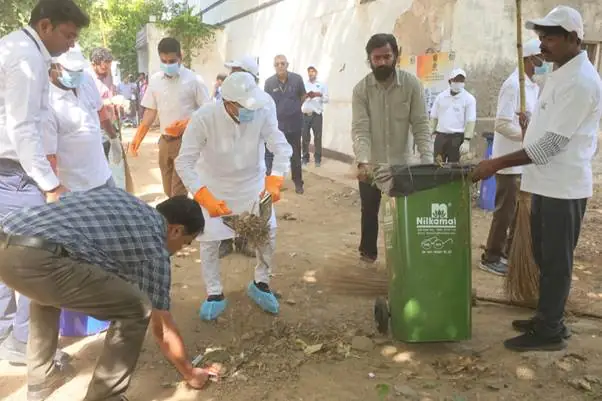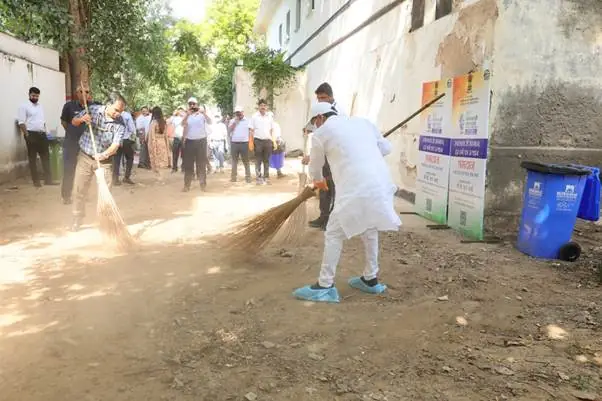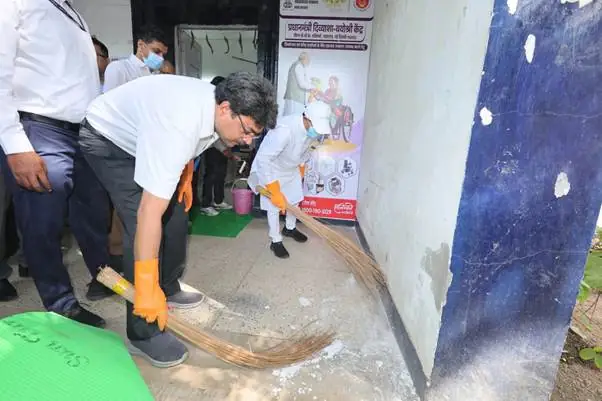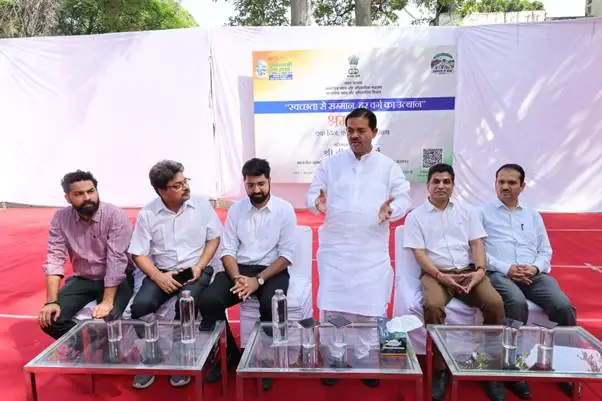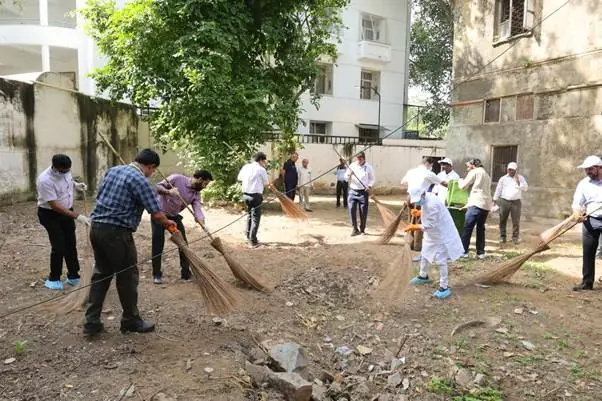
Minister of State B. L. Verma on Monday led a shramdaan, or voluntary labour, activity in Paharganj under the 'One Day, One Hour, Together' theme, in a public display of support for civic cleanliness and community participation. The initiative, staged in one of central Delhi's busiest and most densely used urban localities, was designed to signal that sanitation is not only a municipal function but also a shared civic duty.
The event comes at a time when the government continues to rely on visible, participatory campaigns to sustain momentum around cleanliness and urban upkeep. By placing a senior minister at the centre of the exercise, the administration sought to reinforce the message that public hygiene, waste management and neighbourhood upkeep require both institutional coordination and citizen engagement. In practical terms, such drives are intended to translate policy language into street-level action, even if only for a limited duration.
Civic Participation Push
Paharganj, with its heavy footfall, commercial activity and constant movement of residents, traders and visitors, offers a pointed setting for such an initiative. Cleanliness campaigns in high-traffic areas carry a dual purpose: they create immediate visual impact and they test whether public messaging can influence behaviour in spaces where sanitation pressures are persistent. The choice of location suggests an effort to connect the campaign to everyday urban realities rather than to a symbolic or ceremonial venue.
The 'One Day, One Hour, Together' theme reflects a broader governance strategy that has become familiar in India's public policy landscape: short, highly visible collective actions are used to build social buy-in for longer-term administrative goals. In this case, the emphasis on shramdaan places moral and civic responsibility at the centre of the message. It also allows the government to frame cleanliness not merely as a service delivered by the state, but as a shared ethic that citizens are expected to uphold.
Symbolism And Governance
Such events often serve multiple functions at once. They mobilise attention, generate media visibility and create a public demonstration of ministerial involvement in grassroots issues. They also help the government project continuity between national policy priorities and local implementation. In that sense, the Paharganj drive was not only about picking up litter or cleaning a stretch of public space; it was also about reinforcing an administrative narrative around accountability, participation and civic discipline.
For the government, the value of these campaigns lies in their ability to keep sanitation on the public agenda without requiring a major policy announcement. The optics of a minister participating in manual civic work can be politically effective because they compress a larger policy message into a simple, relatable act. At the same time, the real test remains whether such initiatives produce durable behavioural change or simply momentary visibility.
That question is especially relevant in urban centres like Delhi, where sanitation outcomes depend on a complex mix of municipal capacity, public compliance, waste collection systems and enforcement. A cleanliness drive can highlight these challenges, but it cannot by itself resolve them. Its significance lies more in agenda-setting than in operational transformation.
Urban Cleanliness Challenge
The Paharganj exercise also fits into a wider pattern of government-led public participation campaigns that seek to bridge the gap between policy intent and civic practice. In densely populated urban districts, where public spaces are under constant strain, the success of such initiatives depends on whether they are followed by sustained maintenance, monitoring and community involvement. Without that continuity, the impact of a one-hour drive risks fading quickly.
Still, the minister's presence gave the event political weight and administrative visibility. It reinforced the idea that sanitation remains a core governance issue, not a peripheral municipal concern. In a city where cleanliness is closely tied to public health, tourism, commerce and quality of life, the symbolism of collective labour can carry real policy resonance.
The broader message from the Paharganj drive is clear: the government wants cleanliness campaigns to be seen as a civic movement rather than a one-time exercise. Whether that message translates into lasting urban change will depend on follow-through, local coordination and the willingness of citizens to treat public spaces as shared responsibilities rather than anonymous infrastructure.