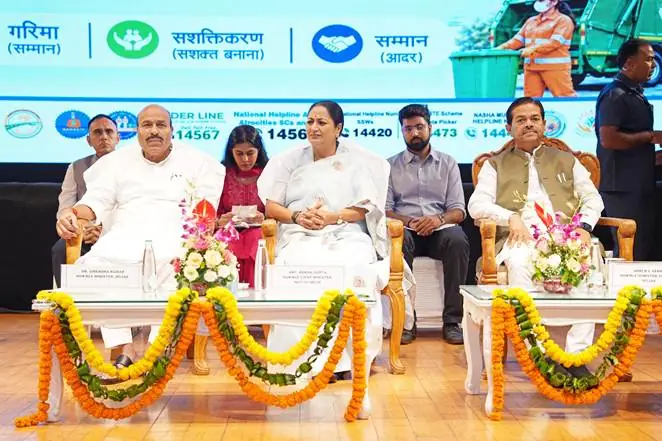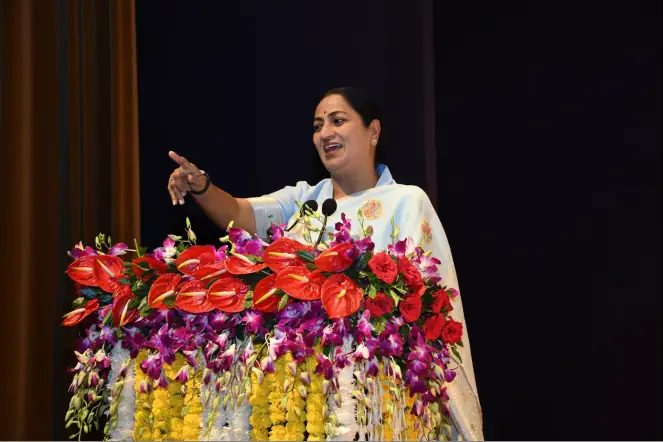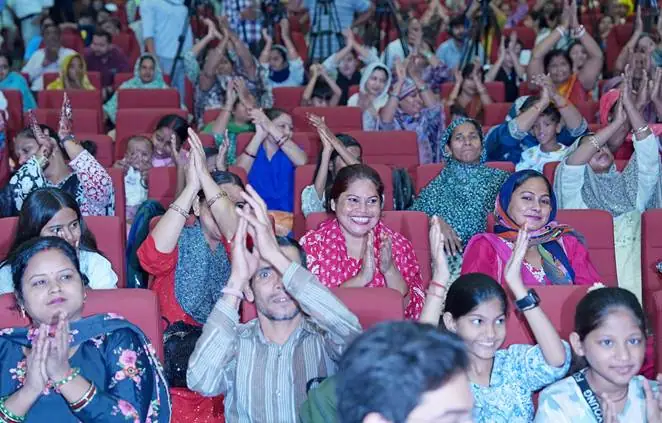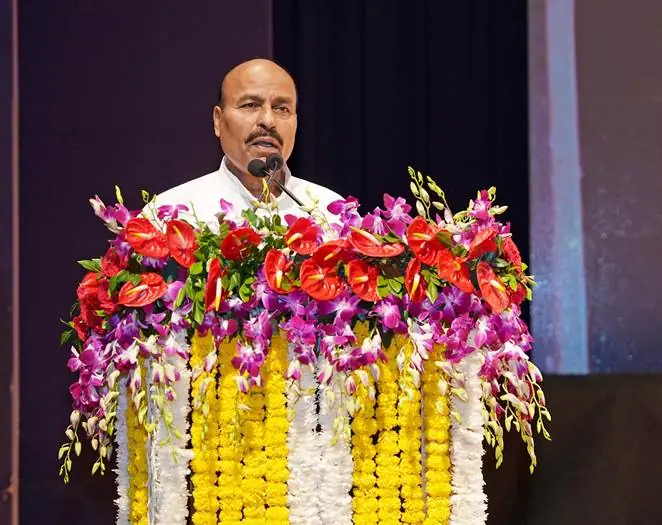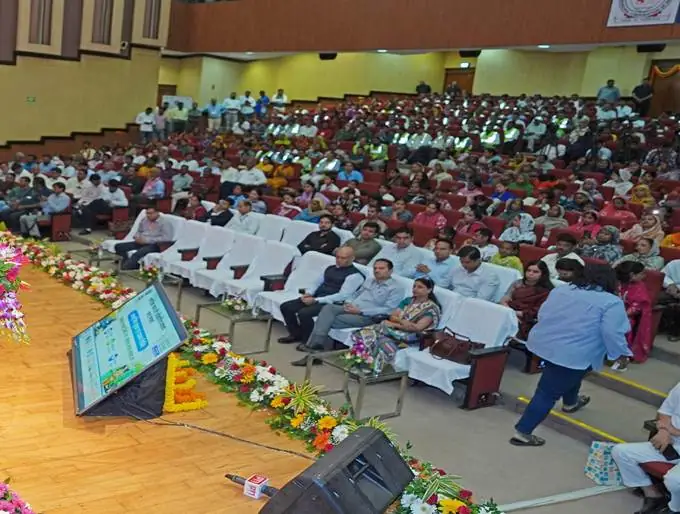
The Ministry of Social Justice and Empowerment has rolled out a national-level Safaimitra Safety and Dignity Camp under the Swachhata Hi Seva 2026 campaign, framing the effort as both a sanitation intervention and a rights-based welfare measure. The initiative is aimed at sanitation workers, often referred to as safaimitras, and is designed to combine health support, safety awareness, social recognition, and access to government benefits in a single outreach platform.
The campaign arrives at a time when India's sanitation workforce remains essential to urban cleanliness, waste management, and public health, yet continues to face persistent risks linked to unsafe working conditions, social stigma, and limited formal protection. By placing these workers at the center of a national campaign, the ministry is signaling that sanitation policy is no longer being treated solely as an operational municipal issue, but as a matter of dignity, labour welfare, and social justice.
Worker Dignity Focus
The Safaimitra Safety and Dignity Camp is notable for the way it merges symbolic recognition with practical service delivery. In policy terms, that matters. India has repeatedly announced measures to improve the status of sanitation workers, but implementation has often been uneven across states and urban local bodies. A camp-based model allows the government to deliver multiple services directly to workers, potentially reducing the friction that often prevents vulnerable groups from accessing welfare schemes.
The emphasis on "safety" suggests a focus on occupational protection, including awareness around hazardous work practices and the need for safer sanitation systems. The emphasis on "dignity" is equally significant. It reflects a broader administrative attempt to move away from viewing sanitation labour as invisible or purely manual work, and toward recognizing it as essential public service deserving of respect, documentation, and institutional support.
For the ministry, the campaign also serves a governance function. National drives of this kind can help map beneficiaries, identify gaps in coverage, and connect workers to entitlements that may already exist but remain underutilized. In that sense, the camp is not merely ceremonial. It is a mechanism for administrative outreach and welfare consolidation.
Policy Meets Outreach
Swachhata Hi Seva has become one of the government's recurring public cleanliness platforms, often used to mobilize institutions, local bodies, and citizens around sanitation goals. The 2026 edition's focus on safaimitras indicates a strategic shift from general cleanliness messaging to the people who perform the work behind it. That shift is important because sanitation outcomes depend not only on infrastructure and civic behavior, but also on the condition of the workforce tasked with maintaining them.
The ministry's intervention also fits into a larger national conversation about social inclusion. Sanitation workers have long occupied a difficult position in India's labour hierarchy, with many facing informal employment, low wages, and exposure to health hazards. A national camp can help bring visibility to these structural issues, even if it does not by itself resolve them. Its success will depend on whether the outreach translates into sustained support, better compliance by local agencies, and measurable improvements in worker welfare.
The timing of the initiative is also politically meaningful. Public campaigns around cleanliness tend to generate broad visibility, but the ministry's decision to foreground sanitation workers suggests an attempt to deepen the policy narrative. Rather than focusing only on civic discipline or urban aesthetics, the government is attaching the campaign to social justice outcomes. That framing may help strengthen the legitimacy of the programme and broaden its appeal beyond routine sanitation messaging.
Broader Governance Signal
The camp underscores a familiar but important governance challenge: India's welfare architecture often works best when it reaches beneficiaries directly, rather than relying entirely on layered administrative channels. For marginalized workers, especially those in informal or semi-formal occupations, direct outreach can be the difference between nominal entitlement and actual access.
The initiative may also be read as part of a wider effort to humanize public service delivery. By combining safety, dignity, and welfare in one campaign, the ministry is presenting sanitation workers not as a peripheral labour category, but as citizens whose labour underpins the functioning of cities and towns. That message has policy value because it can shape how state agencies, municipalities, and the public perceive sanitation work.
Still, the real test will be execution. National campaigns often generate strong launch-day visibility, but their long-term impact depends on follow-through at the state and local levels. If the Safaimitra Safety and Dignity Camp leads to better access to health protections, welfare registration, and sustained recognition of sanitation workers, it could become a meaningful model for rights-based outreach. If not, it risks becoming another well-intentioned campaign that fades after the initial publicity cycle.
For now, the ministry's move places sanitation workers at the center of a national policy conversation that is both practical and symbolic. In doing so, it reinforces a broader message: cleanliness campaigns are not only about public spaces, but also about the people whose labour keeps those spaces functional, safe, and liveable.