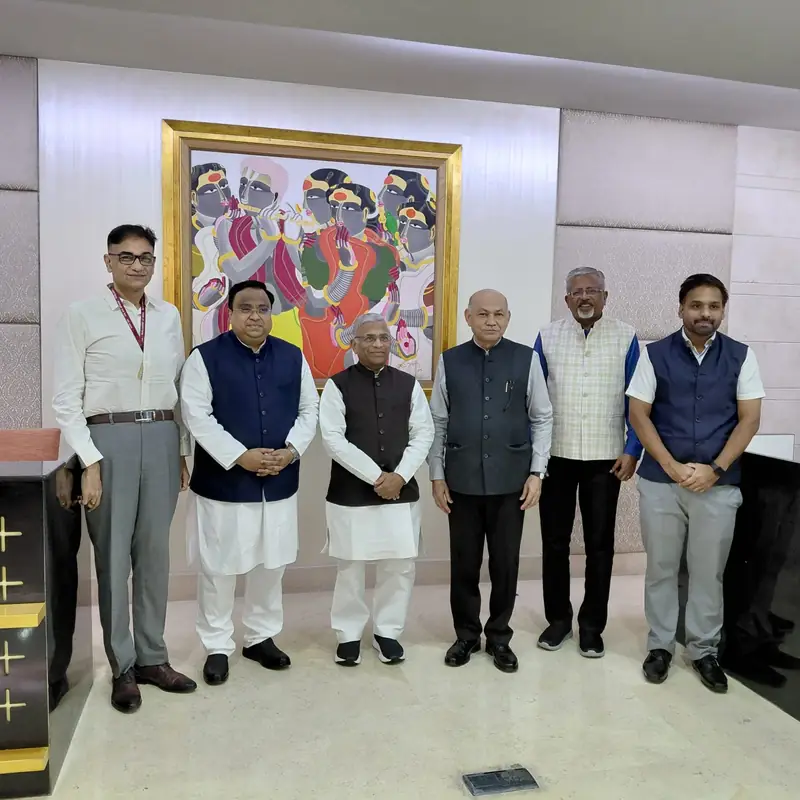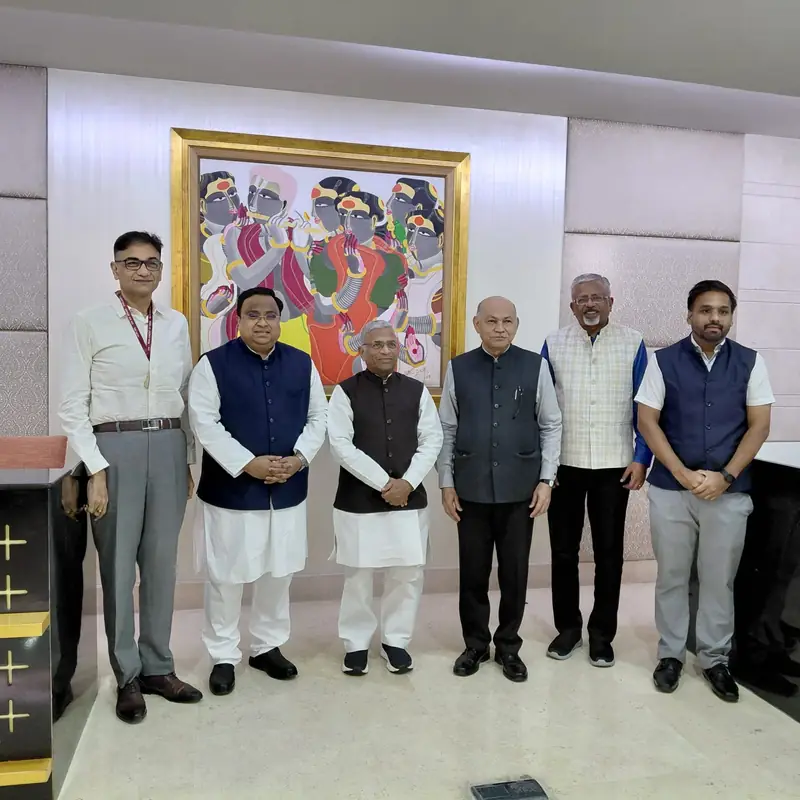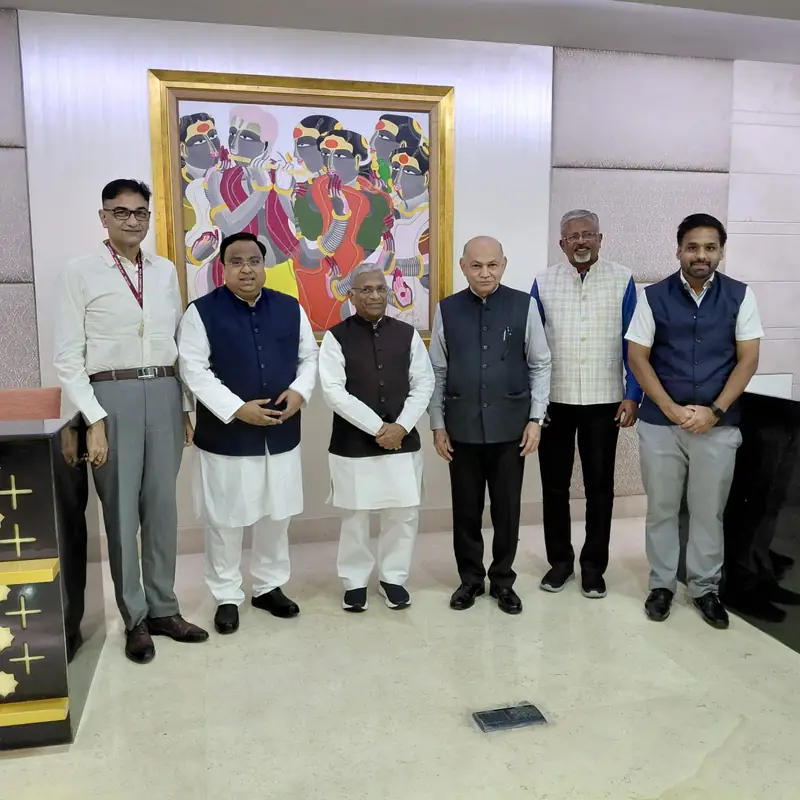
India's parliamentary outreach took center stage in Tanzania as Rajya Sabha Deputy Chairman Harivansh headed the Indian delegation to the 153rd Assembly of the Inter-Parliamentary Union, a gathering that brings together lawmakers from across the world to exchange views on democracy, governance, and multilateral cooperation. The participation reflects New Delhi's continuing use of parliamentary diplomacy as a complement to executive-level foreign policy, particularly in forums where political legitimacy, institutional resilience, and development priorities are debated alongside traditional statecraft.
Parliamentary Diplomacy
Harivansh's leadership of the delegation signals the importance India attaches to legislative engagement in international affairs. While foreign policy is often shaped by the executive branch, parliamentary representation at global assemblies has become an increasingly visible instrument for countries seeking to broaden their diplomatic reach. In India's case, such participation allows lawmakers to present the country's democratic credentials, articulate policy perspectives, and engage counterparts on issues that range from governance reform to sustainable development.
The Inter-Parliamentary Union, one of the world's oldest and most influential parliamentary bodies, provides a platform where elected representatives can discuss the role of legislatures in strengthening democratic institutions. For India, the forum is particularly relevant because it enables the country to project itself not only as a major economy and strategic actor, but also as a constitutional democracy with a large and diverse parliamentary system. The presence of a senior presiding officer at the assembly lends institutional weight to that message.
The delegation's participation also comes at a time when parliaments globally are under pressure to respond to public demands for accountability, transparency, and effective lawmaking. In many democracies, legislatures are navigating polarisation, declining trust, and the challenge of keeping pace with fast-moving economic and technological change. Against that backdrop, India's engagement at the IPU can be read as an attempt to position its parliamentary experience as part of a broader conversation on democratic governance.
Global Forum, Indian Message
Tanzania, as host of the 153rd assembly, provided a setting for dialogue between lawmakers from different regions and political systems. Such gatherings often serve as quiet but consequential venues for diplomacy, where countries can build understanding outside the more formal and often more rigid channels of intergovernmental negotiation. For India, the value lies in both visibility and influence: visibility through participation in a major international parliamentary event, and influence through the ability to shape discussions on issues that matter to the Global South.
The Indian delegation's presence is also consistent with New Delhi's broader emphasis on South-South engagement and multilateral cooperation. In recent years, India has increasingly sought to frame its international role around development partnerships, institutional reform, and inclusive global governance. Parliamentary forums support that narrative by allowing lawmakers to speak directly to peers from Africa, Asia, Europe, and the Americas on shared concerns such as economic recovery, climate resilience, and democratic participation.
Harivansh's role is notable because presiding officers in India's Parliament are often seen as custodians of institutional continuity. Their participation in international assemblies carries symbolic value, reinforcing the idea that parliamentary diplomacy is not peripheral but integral to India's democratic identity. It also suggests that New Delhi views legislative exchange as a serious channel for advancing national interests, especially in settings where political dialogue can help build trust and shape future cooperation.
Wider Strategic Context
The IPU assembly arrives during a period when international institutions are being tested by conflict, fragmentation, and competing models of governance. In that environment, parliamentary engagement offers a softer but still meaningful form of statecraft. It allows countries to speak not only through governments but through elected representatives who can reflect domestic democratic mandates and institutional experience.
For India, the significance of the Tanzania assembly lies in the convergence of symbolism and substance. Symbolically, it reinforces the country's standing as a democratic power willing to participate in global legislative dialogue. Substantively, it gives Indian representatives a venue to exchange ideas on parliamentary procedure, governance challenges, and the role of legislatures in sustaining democratic legitimacy.
The delegation's participation also highlights a broader trend in Indian foreign policy: the growing recognition that diplomacy is no longer confined to ministries and summits. Parliamentary delegations, especially those led by senior officeholders, can help shape perceptions, deepen bilateral ties, and contribute to a more layered international presence. In that sense, Harivansh's leadership in Tanzania is not merely ceremonial. It is part of a deliberate effort to ensure that India's democratic institutions are visible and active in the architecture of global governance.