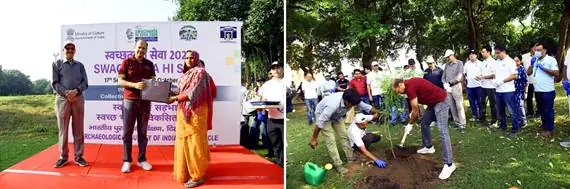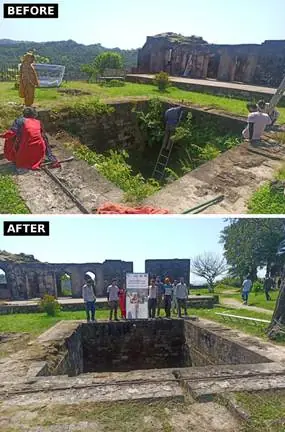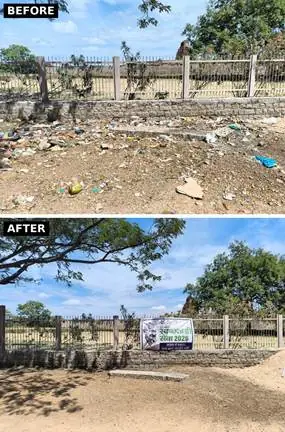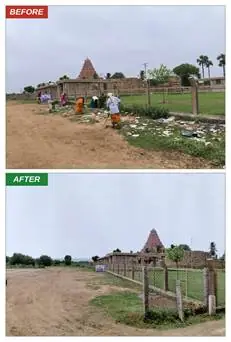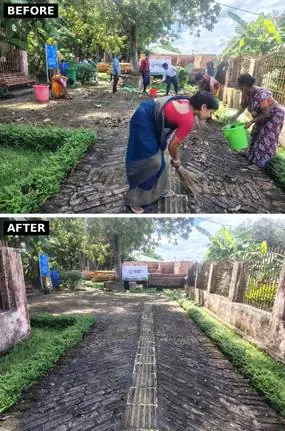
The Ministry of Culture has successfully organized the 2026 edition of the Swachhata Hi Seva campaign from 17 September to 2 October, marking another high-visibility push in the government's broader cleanliness and civic participation agenda. The initiative, which culminated on Gandhi Jayanti, was framed not merely as a sanitation exercise but as a public discipline campaign aimed at strengthening behavioral change, institutional accountability, and community ownership of cleanliness.
The ministry's role in the campaign reflects how sanitation in India has evolved from a narrowly operational subject into a cross-cutting governance theme. By anchoring the drive within the cultural portfolio, the government signaled that cleanliness is being positioned as part of India's civic identity and public ethics, not only as a municipal service delivery issue. The campaign's successful organization also suggests continued administrative coordination across institutions, local bodies, and public-facing cultural platforms.
Civic Discipline Push
The Swachhata Hi Seva campaign has become one of the government's recurring instruments for mobilizing citizens around cleanliness, waste management, and public hygiene. Its annual format allows the administration to concentrate attention on sanitation outcomes while linking them to national symbols, especially Mahatma Gandhi's legacy. The 2026 edition, running for more than two weeks, was designed to sustain engagement beyond a single event day and to reinforce the message that cleanliness requires routine participation rather than episodic enthusiasm.
For the Ministry of Culture, the campaign also serves a strategic communications purpose. It places cultural institutions, heritage sites, and public spaces within the larger cleanliness narrative, helping the government connect sanitation with tourism, civic pride, and the preservation of public assets. In policy terms, this is significant because it broadens the constituency for cleanliness beyond urban development departments and sanitation workers to include citizens, institutions, and cultural bodies.
The successful conclusion of the drive comes at a time when public policy in India increasingly emphasizes measurable social behavior change alongside infrastructure creation. Cleanliness campaigns are no longer presented solely as awareness exercises; they are treated as part of a governance model that depends on visible participation, local implementation, and symbolic reinforcement. That approach has helped the Swachhata agenda retain political salience across successive years.
Symbolism And Governance
The campaign's end date, October 2, carries deep national significance. Gandhi Jayanti has long been used by governments to highlight sanitation as one of the most enduring elements of Mahatma Gandhi's public philosophy. By aligning the campaign with this date, the ministry reinforced a familiar but powerful message: that cleanliness is both a moral duty and a governance obligation.
This symbolic framing matters because sanitation campaigns in India often face the challenge of sustaining momentum after the initial publicity phase. The ministry's emphasis on successful organization indicates an effort to institutionalize the campaign calendar and maintain continuity across ministries, states, and local administrations. In practical terms, such campaigns can help normalize public participation in waste segregation, litter prevention, and upkeep of shared spaces.
The Ministry of Culture's involvement also highlights the expanding role of non-traditional departments in public policy delivery. Rather than limiting cleanliness to urban infrastructure agencies, the government has increasingly used cultural and educational institutions to amplify civic messaging. That approach reflects a broader administrative strategy: use symbolism, public events, and institutional networks to deepen the social reach of policy goals.
Policy Signal For 2026
The 2026 campaign sends a clear policy signal that cleanliness remains a continuing governance priority, not a seasonal slogan. By successfully organizing the initiative across the September 17 to October 2 window, the ministry has reinforced the idea that public hygiene campaigns can be used to sustain citizen engagement, strengthen administrative visibility, and support the government's larger development narrative.
The campaign also underscores the importance of convergence in public policy. Cleanliness outcomes depend on coordinated action from central ministries, local governments, public institutions, and citizens themselves. In that sense, the success of Swachhata Hi Seva 2026 is less about a single event and more about the state's ability to keep a national behavioral agenda active across multiple layers of governance.
As India continues to place sanitation at the center of its public service and civic responsibility framework, the Ministry of Culture's successful stewardship of the 2026 campaign suggests that the government intends to keep cleanliness embedded in the country's political and cultural vocabulary. The message is clear: sanitation is not only a municipal task, but a national commitment tied to identity, discipline, and public accountability.