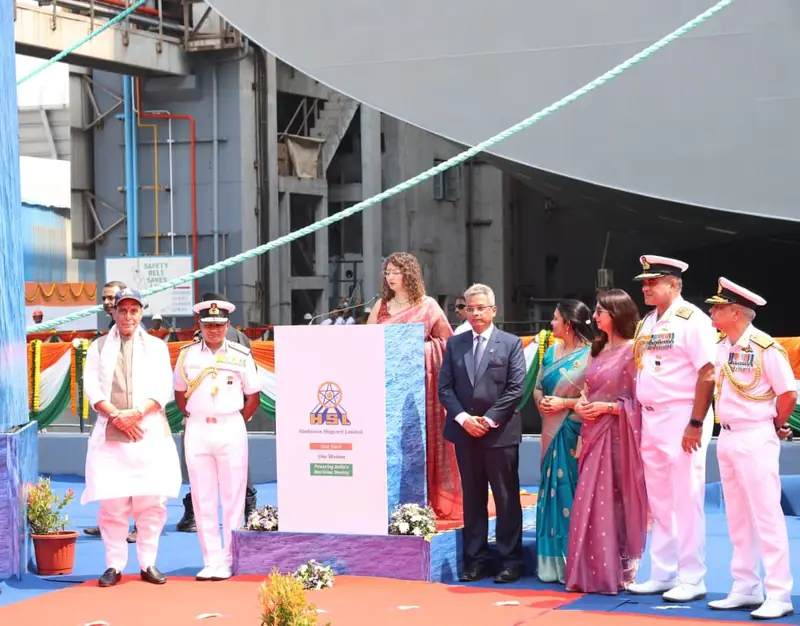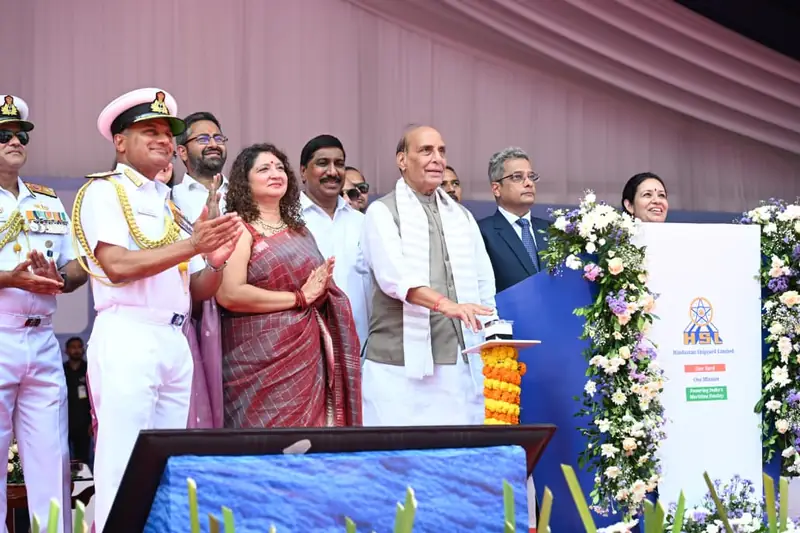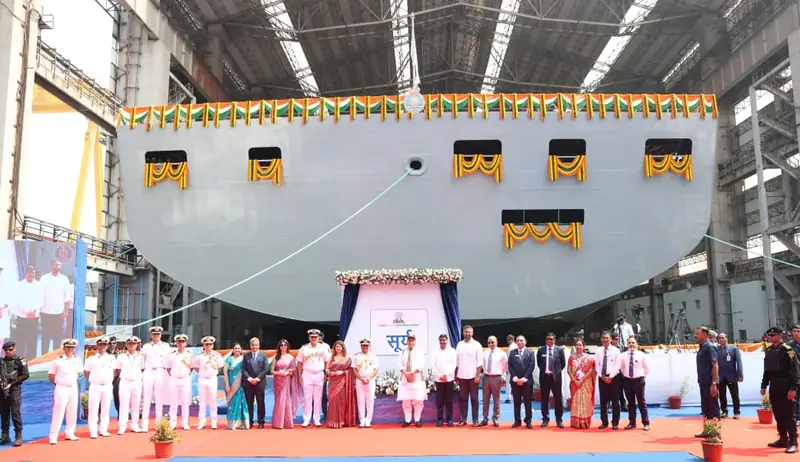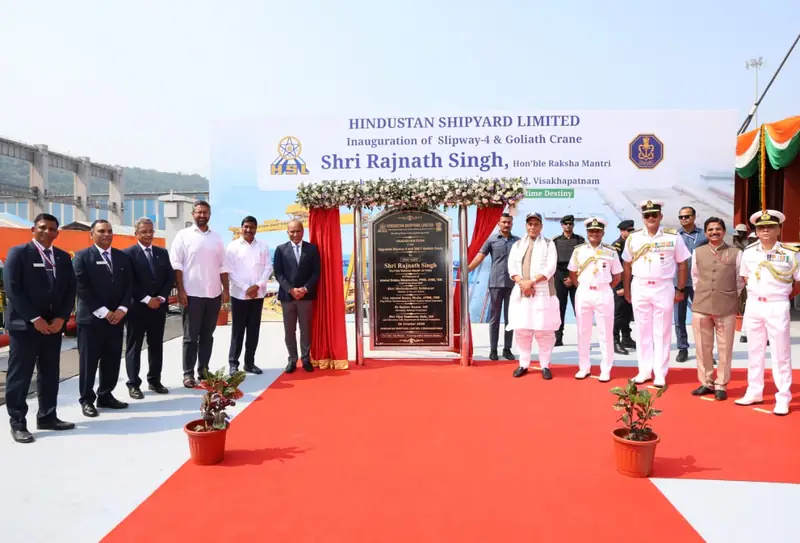
India's formal launch of fleet support vessels marks a significant but often underappreciated step in the country's maritime modernization drive. While warships and submarines usually draw the headlines, support vessels are the logistical backbone that determines how long and how far a navy can operate. Their induction reflects a more mature approach to naval power: one that prioritizes endurance, replenishment, and operational flexibility as much as combat capability.
The timing is notable. India is expanding its maritime footprint at a moment when the Indian Ocean has become more contested, with shipping lanes, energy routes, and strategic chokepoints attracting greater attention from regional and extra-regional powers. In that environment, a navy's ability to refuel, rearm, and resupply at sea is not a technical detail; it is a core measure of deterrence. Fleet support vessels allow frontline ships to remain deployed for longer stretches without returning to port, improving readiness across the eastern and western seaboards.
Maritime Reach Expanded
The official start of these vessels' service is expected to improve the Navy's operational tempo by enabling sustained deployments, humanitarian assistance missions, anti-piracy patrols, and rapid response operations. In practical terms, the ships act as mobile logistics hubs. They can carry fuel, water, ammunition, spare parts, and other essential stores, reducing the strain on shore-based infrastructure and extending the reach of task groups operating far from home ports.
This capability is especially important for India, which has increasingly framed itself as a net security provider in the Indian Ocean region. That role requires more than patrols and port calls. It demands the ability to support carrier groups, escort missions, and long-range surveillance operations without interruption. Fleet support vessels are thus a force multiplier, allowing a relatively smaller number of combat ships to remain effective over a much larger maritime area.
The move also fits into India's broader push for self-reliance in defense production and procurement. Over the past decade, policymakers have emphasized domestic shipbuilding, indigenous systems integration, and a reduced reliance on imported platforms. Support vessels may not carry the prestige of destroyers or frigates, but they are central to building a resilient naval architecture. Their induction suggests that the government and the armed forces are paying closer attention to the less visible layers of maritime capability.
Strategic Logistics Matter
For naval planners, logistics is strategy. A fleet that cannot be sustained at sea is a fleet constrained by geography. India's coastline, island territories, and sea lines of communication require a navy that can operate across dispersed areas and respond quickly to contingencies. Fleet support vessels help close that gap by creating a more mobile and distributed support structure.
The implications extend beyond wartime planning. These ships are also valuable in disaster relief, evacuation operations, and regional assistance missions, where speed and endurance can determine the effectiveness of the response. In a country frequently called upon to assist neighbors during cyclones, floods, or maritime emergencies, such platforms enhance both military utility and diplomatic reach.
The induction comes amid a wider modernization cycle that includes new surface combatants, submarines, surveillance assets, and maritime domain awareness systems. Yet the launch of support vessels is a reminder that capability is not measured only by the number of weapons platforms in service. It is also measured by whether those platforms can be kept operational, supplied, and ready when needed most.
Broader Policy Signal
At the policy level, the formal start of fleet support vessel operations sends a clear message: India is investing in the infrastructure of power, not just its visible instruments. That approach is consistent with a long-term maritime strategy that seeks to secure national interests in an increasingly competitive oceanic environment.
The challenge now will be execution. The value of such vessels depends on integration with fleet doctrine, maintenance systems, crew training, and deployment planning. If managed effectively, they can materially improve India's naval posture. If treated as isolated acquisitions, their strategic value will be diluted.
For now, the launch stands as a practical and symbolic milestone. It reflects a navy preparing not merely to sail, but to sustain. In a region where endurance is often as important as firepower, that is a consequential shift.