The Ministry of Information and Broadcasting has rolled out Special Campaign 6.0 across the country, placing cleanliness, disposal of pending matters, and administrative discipline at the center of its governance agenda. The campaign is part of a wider Union government effort to institutionalize efficiency in public offices, with ministries expected to review old records, clear backlogs, and improve the upkeep of government premises.
The launch comes at a time when the central government is increasingly using time-bound internal drives to demonstrate measurable improvements in bureaucratic performance. Special campaigns of this kind have become a recurring feature of governance reform, designed not only to improve the physical condition of offices but also to reduce procedural delays that often slow decision-making and public service delivery. In practice, the exercise is meant to push departments to identify files that can be closed, records that can be digitized or destroyed under rules, and spaces that can be freed for more productive use.
Administrative Clean-Up
The ministry's participation in Special Campaign 6.0 signals a continued emphasis on administrative housekeeping as a governance tool. While cleanliness drives may appear symbolic, they are increasingly being treated as part of a broader performance framework that links office discipline with institutional credibility. For a ministry that oversees broadcasting, information dissemination, and public communication, the condition of its offices and the speed of its internal processes carry added significance.
The campaign is expected to cover a range of activities, including the review of pending references, disposal of obsolete files, redress of grievances, and improvement of workplace hygiene. Such exercises are typically monitored through internal reporting mechanisms, with departments asked to document progress and submit outcomes. The emphasis on pendency reduction is especially important in ministries that handle large volumes of correspondence and regulatory work, where delays can accumulate and affect both policy execution and stakeholder confidence.
Governance Through Metrics
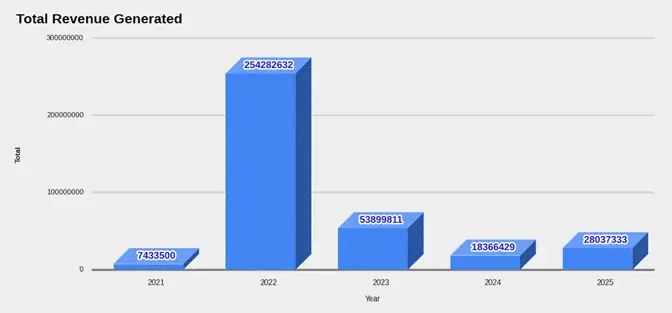
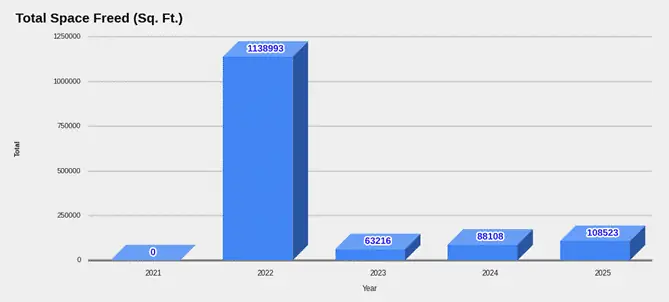
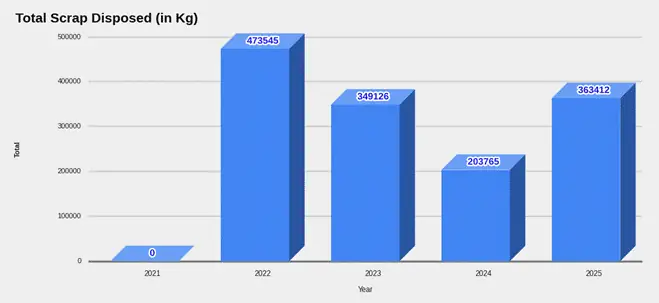
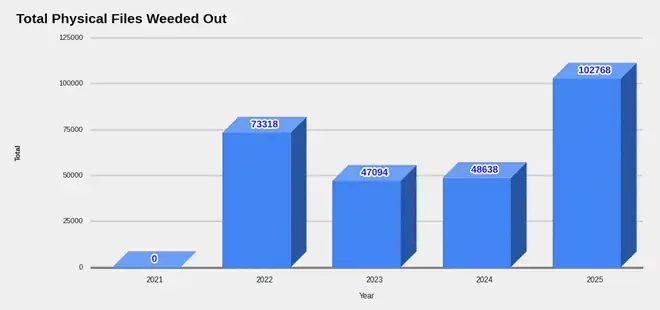
Special Campaign 6.0 also reflects a shift in how the Union government seeks to measure administrative reform. Rather than relying solely on broad declarations of efficiency, ministries are now being encouraged to produce visible, countable outcomes: the number of files cleared, the amount of space reclaimed, the volume of scrap disposed of, and the extent of grievance resolution. This metrics-driven approach allows the government to present reform as a series of concrete operational gains rather than abstract intent.
For the Information and Broadcasting Ministry, the campaign may also have implications for its attached and subordinate offices, field units, and public-sector entities under its administrative umbrella. These bodies often operate with legacy records and layered approval structures, making them natural targets for a clean-up exercise. If implemented rigorously, the campaign could help streamline internal workflows and improve responsiveness in areas ranging from media regulation to public information management.
The broader policy context is equally important. Special campaigns have emerged as a low-cost but high-visibility instrument of governance, allowing ministries to demonstrate discipline without requiring major legislative or fiscal intervention. They also align with the government's wider digital and administrative modernization agenda, which has sought to reduce paper dependence, improve file tracking, and encourage more accountable office management.
Symbolism And Delivery
Beyond the immediate administrative objectives, the campaign carries a symbolic message: that governance reform begins inside the system itself. Clean offices, cleared files, and reduced pendency are being framed as markers of a more responsive state. In that sense, Special Campaign 6.0 is not merely about tidiness; it is about institutional efficiency, public trust, and the optics of a government that wants to be seen as both orderly and decisive.
The challenge, as with previous such drives, will be sustaining the gains after the campaign period ends. Temporary clean-ups can produce impressive short-term numbers, but lasting impact depends on whether departments embed better record management, regular review of old cases, and stronger accountability into routine operations. The ministry's success will therefore be judged not only by the immediate outputs of the campaign, but by whether it helps create a more durable culture of administrative discipline.
For now, the launch of Special Campaign 6.0 places the Information and Broadcasting Ministry within a broader national effort to convert internal governance reform into visible public value. In a system often criticized for delay and procedural clutter, even modest gains in cleanliness and pendency reduction can carry outsized political and administrative significance.