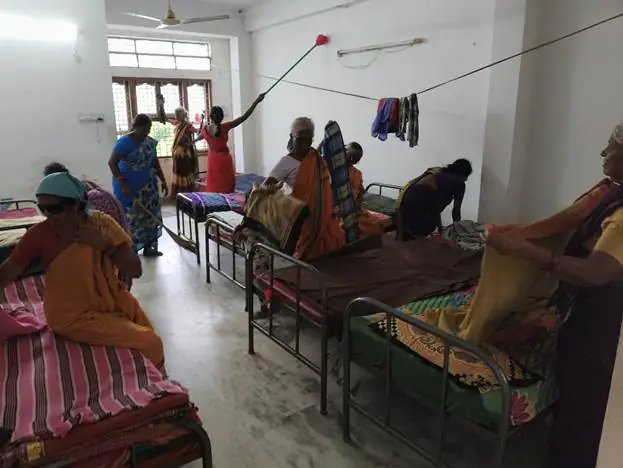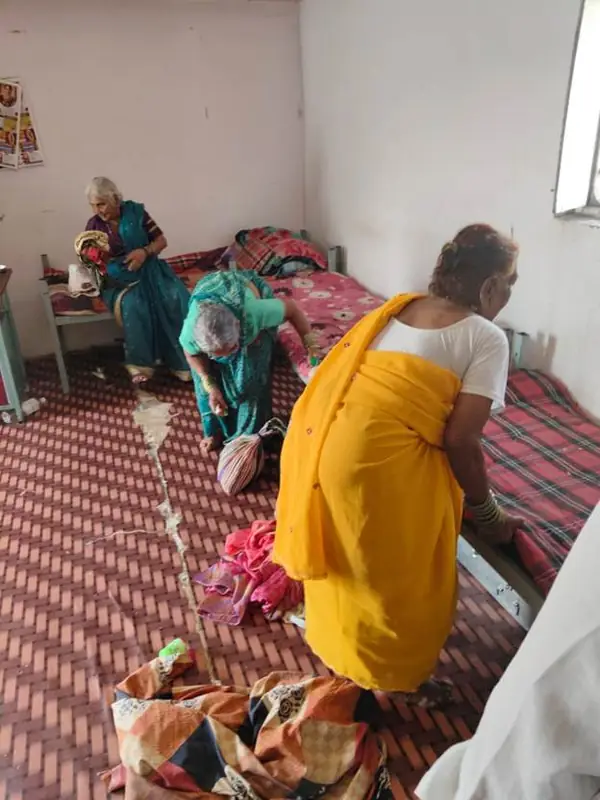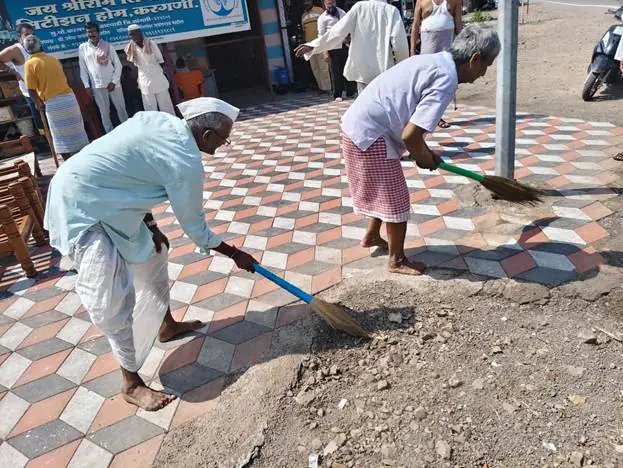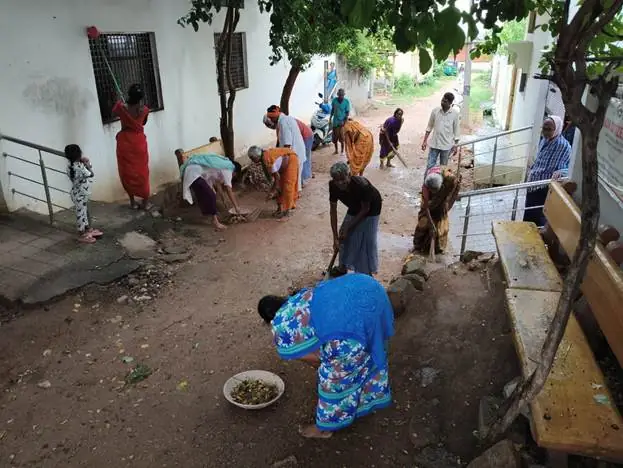
Dignity Through Cleanliness
India's governance narrative is increasingly positioning sanitation as more than a municipal function: it is being presented as a marker of dignity, equality, and social progress. The message behind the theme, broadly translated as "respect through cleanliness, uplift for every class," reflects a policy philosophy that ties everyday public hygiene to the larger project of national development. In practical terms, this means sanitation is no longer being treated as a narrow urban service issue. It is now being framed as a foundational public good with consequences for health, social inclusion, and the credibility of the state.
This approach has deep political and administrative significance. Clean streets, functional waste systems, accessible toilets, and reliable water infrastructure are not merely cosmetic improvements. They shape how citizens experience government in daily life. For millions of Indians, especially in lower-income neighborhoods, rural settlements, and densely populated urban areas, sanitation remains one of the most visible tests of whether governance is working. By elevating cleanliness into a question of respect, policymakers are attempting to connect infrastructure delivery with social justice.
The emphasis also reflects a broader shift in public administration: the recognition that sanitation outcomes are inseparable from health outcomes. Poor waste management, open drains, and inadequate toilet access continue to contribute to disease burdens, environmental degradation, and avoidable hardship. In that sense, a cleanliness agenda is not simply about appearance or civic discipline. It is about reducing structural vulnerability, especially for communities that have historically borne the greatest burden of unsafe living conditions.
Policy Meets Public Health
The strongest argument for this governance framing is that sanitation is among the most efficient public investments a state can make. Improvements in cleanliness can produce immediate gains in disease prevention, school attendance, labor productivity, and urban livability. They also reduce the hidden costs of neglect, from medical expenses to lost workdays. When governments speak of uplifting every section of society through sanitation, they are implicitly acknowledging that public health and social mobility are closely linked.
There is also an important equity dimension. In India, sanitation has long been associated with caste-based labor hierarchies and unequal access to civic amenities. A modern policy agenda that places dignity at the center must therefore do more than build infrastructure. It must also confront the social and institutional patterns that have historically made sanitation work invisible, undervalued, or unfairly distributed. That includes ensuring that waste workers are protected, that local bodies are adequately resourced, and that service delivery does not depend on geography or social status.
The challenge, however, lies in execution. National messaging can create momentum, but sanitation is ultimately delivered through local systems: municipalities, panchayats, contractors, frontline workers, and community participation. Without sustained financing, monitoring, and accountability, even ambitious cleanliness campaigns can lose traction. The difference between slogan and transformation is often found in maintenance, not inauguration.
The Governance Test
For the central government and state administrations alike, the real test is whether the cleanliness agenda can be translated into durable institutional change. That means regular waste collection, sewage treatment, drainage upgrades, behavioral change campaigns, and transparent performance tracking. It also means ensuring that sanitation policy reaches informal settlements, peri-urban zones, and remote villages where service gaps are often widest.
The political appeal of the theme is clear. It combines moral language with visible outcomes, allowing governments to claim both developmental seriousness and social sensitivity. But the policy stakes are equally high. If sanitation is framed as a matter of dignity, then failure to deliver becomes more than an administrative lapse; it becomes a breach of public trust. That raises the bar for implementation and makes local governance capacity central to the success of the broader national agenda.
In that sense, the message carries a wider reform logic. A state that can ensure clean surroundings, safe waste disposal, and accessible sanitation is also a state that signals competence, inclusion, and respect for citizens. The promise of "uplift for every class" will be judged not by rhetoric, but by whether the dirtiest and most neglected spaces begin to look and function differently. For India's policymakers, that is both the opportunity and the burden of the moment.