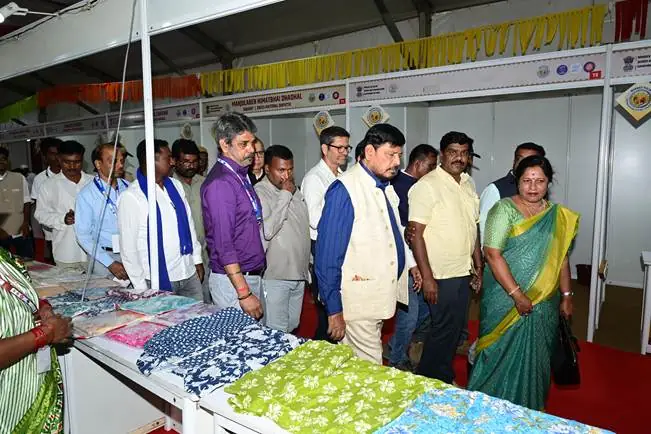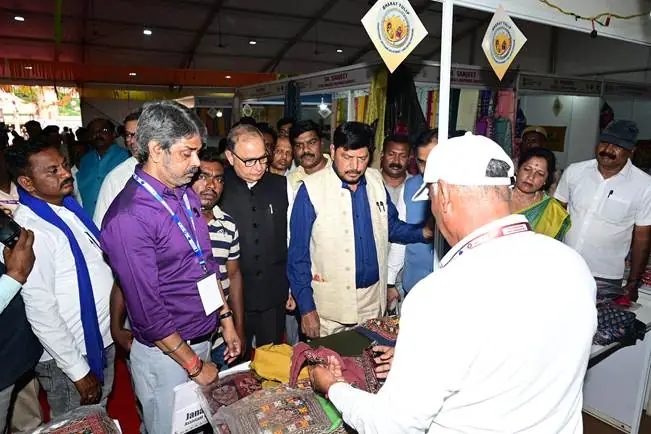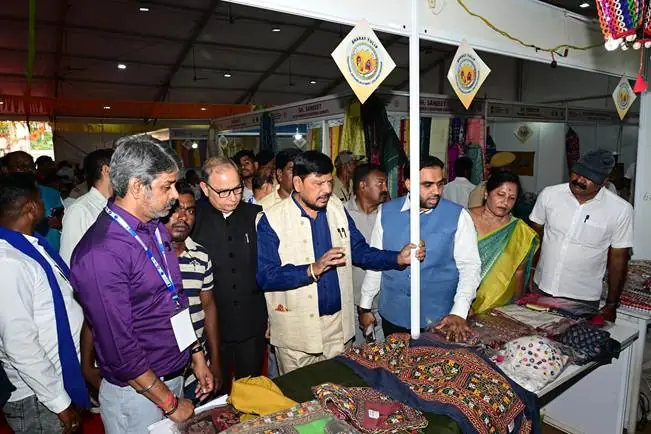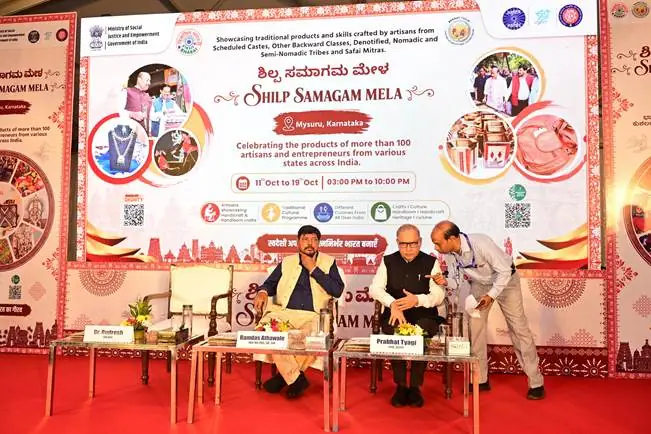
The announcement of Shilp Samagam Mela 2026 in Mysuru signals more than a routine cultural calendar entry. It reflects a policy direction in which craft, heritage, and livelihoods are being folded into a wider national governance framework that emphasizes employment generation, local enterprise, and the preservation of India's artisanal economy. For a city long associated with royal heritage, tourism, and cultural production, Mysuru offers a fitting backdrop for an event that aims to place traditional workmanship at the center of contemporary economic policy.
Craft Economy Focus
The choice of Mysuru is strategically significant. The city sits at the intersection of heritage tourism and artisan identity, making it a natural venue for a gathering that is expected to showcase India's handicraft sector to a wider audience. Such events are increasingly being used by policymakers not merely as exhibitions, but as instruments for market development, branding, and institutional outreach. In that sense, Shilp Samagam Mela 2026 is likely to function as a bridge between artisans and the policy ecosystem that shapes procurement, promotion, and livelihood support.
India's craft sector remains deeply fragmented, with many artisans operating in informal settings and facing persistent challenges around access to credit, design innovation, logistics, and digital commerce. A national-level fair in Mysuru could help address some of those gaps by bringing together producers, administrators, buyers, and support institutions in one setting. The underlying policy logic is clear: if craft clusters can be better connected to markets and public programs, they can contribute more reliably to income generation and rural-urban economic linkages.
The event also comes at a time when the government has been seeking to elevate local products within the broader narrative of self-reliance and domestic value creation. Handicrafts occupy a unique place in that agenda because they are simultaneously labor-intensive, culturally rooted, and exportable. A well-curated mela can therefore serve multiple objectives at once: preserving intangible heritage, creating commercial opportunities, and reinforcing the idea that traditional sectors deserve modern policy attention.
Policy And Livelihoods
From a governance perspective, the significance of Shilp Samagam Mela 2026 lies in its potential to convert symbolic recognition into practical support. Craft fairs often generate visibility, but their longer-term value depends on whether they lead to sustained orders, skill upgrading, and institutional follow-through. That is where the policy dimension becomes critical. If the Mysuru edition is paired with buyer-seller interactions, training sessions, design interventions, and access-to-market mechanisms, it could have a measurable impact beyond the duration of the event itself.
The handicrafts sector is especially important for women, rural households, and communities that rely on intergenerational skill transmission. In many regions, artisan work remains one of the few viable non-farm income sources. Yet the sector is vulnerable to middlemen, price volatility, and competition from machine-made substitutes. A national mela can help spotlight these structural issues while also giving policymakers a direct view of the constraints artisans face on the ground.
Mysuru's role as host city may also help strengthen the link between cultural identity and economic development. The city's established reputation for craftsmanship and public cultural life could improve participation and audience reach, while also reinforcing the message that heritage cities can serve as engines of contemporary policy experimentation. For the central and state authorities, the event offers an opportunity to demonstrate that governance is not limited to regulation and welfare delivery, but can also include ecosystem-building for traditional industries.
What To Watch
The key question now is whether Shilp Samagam Mela 2026 will be designed as a one-off showcase or as part of a longer institutional strategy. The most meaningful outcome would be a framework that helps artisans move from exhibition to enterprise, with better access to finance, digital platforms, and formal market channels. Without that, even a high-profile mela risks becoming a ceremonial event with limited economic afterlife.
Observers will also watch how the event balances cultural presentation with commercial seriousness. A successful edition in Mysuru would likely need to avoid treating artisans as passive performers and instead position them as economic actors with distinct needs and capabilities. That means attention to pricing, branding, quality certification, and supply-chain support, not just stagecraft and publicity.
In policy terms, the Mysuru edition of Shilp Samagam Mela 2026 is a test of whether India's craft agenda can move from celebration to consolidation. If it does, the event could become a model for how national governance can support traditional sectors without reducing them to nostalgia. If it does not, it will still have highlighted the enduring importance of crafts in India's social and economic fabric, even as the country races toward a more industrial and digital future.