
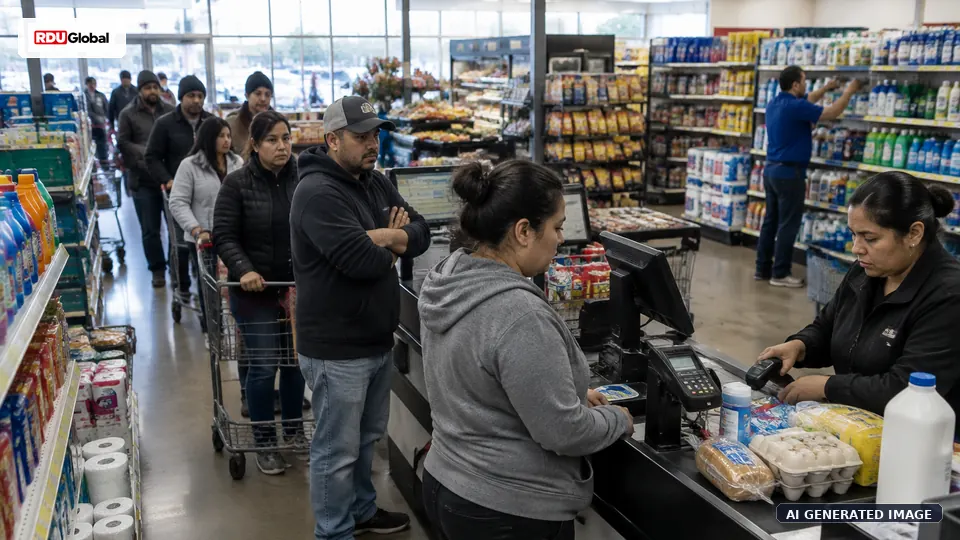
The Federal Trade Commission and 20 states have sued Dollar General, alleging the discount retailer systematically charged shoppers more than the prices advertised on store shelves and in promotions, a claim that could carry significant financial and reputational consequences for one of the United States' most visible value retailers.
The complaint, filed in federal court, places a national spotlight on a basic promise of retail commerce: that the price a customer sees is the price they pay. Regulators say the alleged conduct affected shoppers across Dollar General's sprawling store network, where millions of low-income and price-sensitive consumers rely on the chain for everyday essentials. The lawsuit argues that even modest discrepancies can add up quickly when repeated across a large footprint and a high-volume business model.
Pricing Under Scrutiny
The case arrives amid broader concern over consumer costs, retail shrink, and the accuracy of point-of-sale pricing systems. For discount chains, trust is a core part of the value proposition. Shoppers often choose dollar stores because they expect predictable, low prices on household goods, food, and personal care items. If those prices are not consistently honored at checkout, the damage extends beyond the immediate overcharge: it can erode confidence in the brand and invite closer regulatory oversight.
The FTC has increasingly focused on consumer protection issues that hit households directly, especially where pricing transparency is concerned. In this case, the agency and the states are alleging not merely isolated mistakes but a pattern serious enough to warrant coordinated legal action. That multistate structure suggests regulators believe the problem was widespread and persistent rather than confined to a handful of stores or clerical errors.
Dollar General has long occupied a central place in the U.S. discount retail landscape, serving communities where larger supermarkets may be scarce and where inflation has made bargain hunting more urgent. That makes the stakes of the lawsuit particularly high. A retailer that markets itself as a low-cost option faces heightened exposure when consumers believe they were charged above the advertised amount, because the mismatch strikes at the heart of the company's brand identity.
Consumer Trust At Stake
The legal complaint also underscores a wider policy concern: pricing accuracy is not a technicality. For households living paycheck to paycheck, even small overcharges can matter, especially when they occur repeatedly over time. Regulators are likely to frame the case as a consumer fairness issue, while Dollar General may seek to characterize the allegations as operational or compliance failures rather than intentional misconduct.
If the plaintiffs prevail, the case could lead to financial penalties, restitution, and mandated changes to pricing and checkout procedures. More broadly, it may encourage other retailers to review how shelf labels, promotions, and register systems interact, particularly in high-volume stores where pricing errors can multiply quickly. The lawsuit may also embolden state and federal regulators to pursue similar claims against other chains if they believe consumers are being systematically overcharged.
For Dollar General, the immediate challenge is not only legal but operational. The company will need to defend its practices while reassuring customers, investors, and state regulators that its pricing controls are reliable. In the discount sector, where margins are thin and consumer loyalty is fragile, allegations of overcharging can be especially damaging because they cut directly against the promise of everyday savings.
The lawsuit is still in its early stages, and Dollar General will have an opportunity to respond in court. But the filing itself signals that regulators are prepared to treat pricing accuracy as a major consumer protection issue, not a minor retail dispute. In a period of elevated household cost pressures, the case is likely to resonate well beyond the company's stores, touching on broader questions of fairness, enforcement, and the credibility of low-price retailing in the U.S. economy.